What Causes Diabetes? Causes, Risk Factors & How It Develops
What causes diabetes? Diabetes develops when the body cannot produce enough insulin, cannot use insulin effectively, or both. However, the underlying cause depends on the type of diabetes. Type 1 diabetes is primarily an autoimmune condition, while Type 2 diabetes usually develops through a combination of insulin resistance, genetics, and other risk factors. Gestational diabetes develops during pregnancy when hormonal changes increase insulin resistance and the body cannot produce enough additional insulin to meet its needs.
Diabetes does not have one single cause. Understanding how different types of diabetes develop can help explain the role of genetics, lifestyle, insulin resistance, autoimmune reactions, pregnancy, and other risk factors.
What Causes Diabetes? — Quick Answer
Diabetes does not have one single cause. The underlying cause depends on the type of diabetes. Type 1 diabetes occurs when the immune system mistakenly attacks the insulin-producing cells in the pancreas. Type 2 diabetes usually develops when the body becomes resistant to insulin and, over time, cannot produce enough insulin to keep blood glucose levels under control. Gestational diabetes develops during pregnancy when hormonal changes increase insulin resistance and the body cannot produce enough additional insulin to compensate. Other forms of diabetes can result from genetic conditions, diseases of the pancreas, hormonal disorders, or certain medications.
How Does Diabetes Develop?
Diabetes develops when blood glucose, also called blood sugar, becomes too high. Glucose is one of the body’s main sources of energy, and it normally moves from the bloodstream into cells with the help of insulin. Insulin is a hormone produced by the pancreas. You can think of it as a messenger that helps glucose move from the blood into cells, where it can be used for energy.
After you eat, carbohydrates are broken down into glucose, which enters the bloodstream. In response, the pancreas releases insulin. Insulin helps glucose move from the bloodstream into muscle, fat, and other cells, where it can be used for energy or stored for later use
When the body doesn’t produce enough insulin or the cells stop responding to insulin properly, glucose begins to remain in the bloodstream. Over time, persistently high blood sugar can damage blood vessels, nerves, kidneys, eyes, and other parts of the body.
The way this process begins differs between types of diabetes. Type 1 diabetes involves an autoimmune attack on insulin-producing cells, while Type 2 diabetes is primarily associated with insulin resistance and progressive loss of insulin-producing capacity. Gestational diabetes involves pregnancy-related changes in insulin sensitivity.
{Medical source: National Institute of Diabetes and Digestive and Kidney Diseases (NIDDK)1}
What Happens When Insulin Doesn’t Work Properly?
The process differs depending on the type of diabetes:
Type 1 diabetes: The immune system attacks and destroys insulin-producing beta cells. The body eventually produces little or no insulin.
Type 2 diabetes: Cells become less responsive to insulin, a condition known as insulin resistance. The pancreas initially produces more insulin to compensate, but it may eventually become unable to produce enough to maintain normal blood glucose levels.
Gestational diabetes: Hormones produced during pregnancy can increase insulin resistance. If the pancreas cannot produce enough additional insulin to compensate, blood glucose levels can rise.
Why Does High Blood Sugar Matter?
Persistently elevated blood glucose can affect blood vessels and nerves throughout the body. Over time, uncontrolled diabetes can increase the risk of complications affecting the heart, kidneys, eyes, nerves, and other organs.
This is why identifying diabetes early and managing blood glucose levels is important, regardless of which type of diabetes a person has.
Main Causes of Diabetes by Type
There isn’t a single answer to the question “What causes diabetes?” The causes depend largely on the type.
| Type of Diabetes | What causes it? |
|---|---|
| Type 1 diabetes | An autoimmune reaction destroys insulin-producing beta cells in the pancreas. Genetics and environmental factors may influence susceptibility. |
| Type 2 diabetes | Usually develops through insulin resistance combined with a gradual decline in the pancreas’s ability to produce enough insulin. Genetics and several lifestyle and health factors can increase risk. |
| Gestational diabetes | Pregnancy-related hormonal changes increase insulin resistance, and the pancreas may not produce enough additional insulin to compensate. |
| Other types | Can result from genetic conditions, pancreatic diseases, hormonal disorders, or certain medications. |
The causes and risk factors are different for each type, so it’s useful to look at them separately.
Diabetes has several major types, and their underlying causes are different. For a detailed explanation of Type 1, Type 2, gestational, and other forms, read our complete guide to the [Types of Diabetes]
What Causes Type 1 Diabetes?
Type 1 diabetes occurs when the body’s immune system mistakenly attacks and destroys the insulin-producing beta cells in the pancreas. As these cells are damaged, the pancreas produces little or no insulin, making it difficult for glucose to move from the bloodstream into cells.
Type 1 diabetes is considered an autoimmune condition, rather than a disease caused simply by eating too much sugar or having an unhealthy lifestyle. The exact reason why the immune system attacks these cells is not completely understood, but both genetic susceptibility and environmental factors appear to play a role.
People with Type 1 diabetes need insulin every day to replace the insulin their bodies can no longer produce.
Autoimmune Reaction
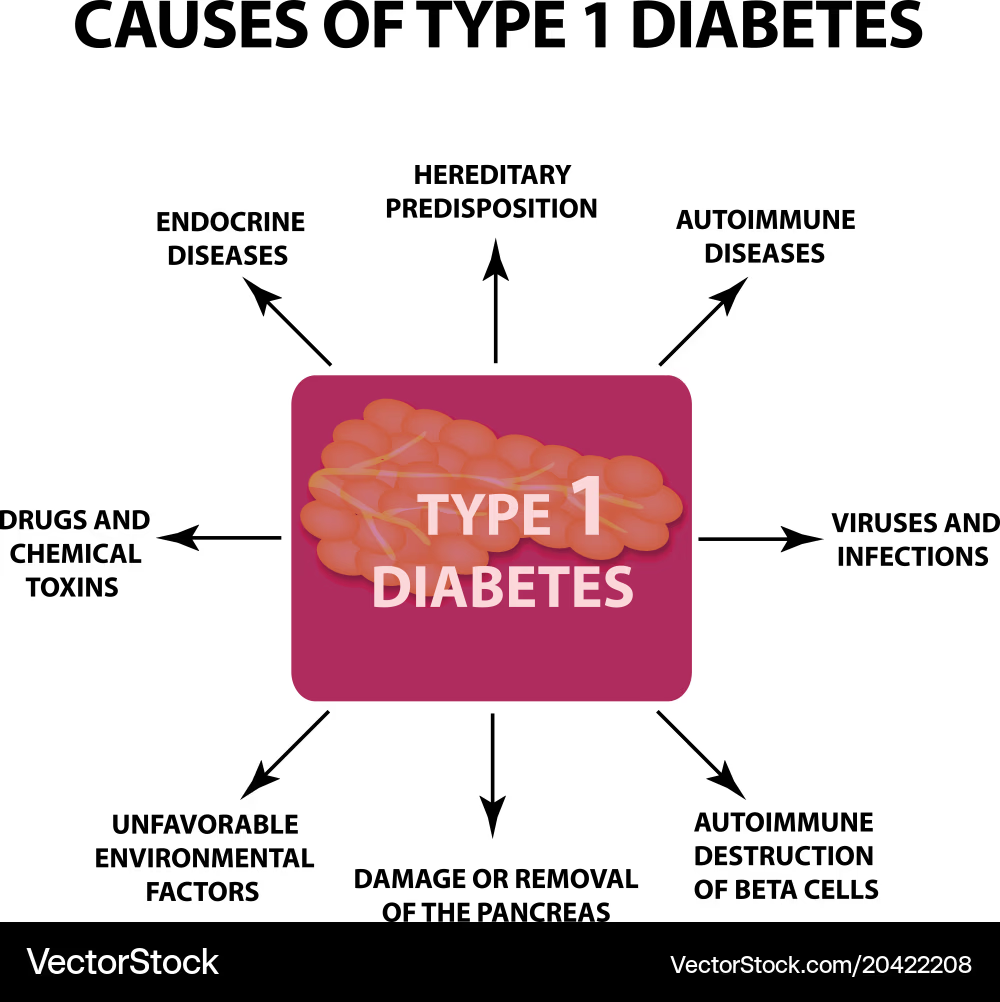
In Type 1 diabetes, the body’s immune system makes a mistake. Instead of protecting the body from harmful viruses and bacteria, it attacks the healthy beta cells in the pancreas, the cells that produce insulin. This is a reason for less or no insulin production.
This damage doesn’t happen all at once. It usually takes place over weeks, months, or even years. As more of these insulin-producing cells are destroyed, the pancreas gradually loses its ability to make enough insulin. Eventually, it produces very little insulin or none at all.
Without insulin, glucose can’t enter the body’s cells to be used for energy, so it builds up in the bloodstream. That’s why people with Type 1 diabetes need insulin therapy every day to stay healthy.
Researchers are still trying to understand what triggers this immune system attack. While there’s no single answer yet, current evidence suggests that a combination of genetic factors and environmental triggers may play a role in causing this disease.
Genetics Factors
Genetics can play a role in the development of Type 1 diabetes, but they don’t tell the whole story. Some people inherit genes that make them more likely to develop the condition. Having a parent, sibling, or another close family member with Type 1 diabetes may increase your risk. It can be inherited in the next generation.
Even though family history isn’t the deciding factor. As a matter of fact, many people who are diagnosed with Type 1 diabetes have no relatives with this disease. This tells us that genes alone aren’t enough to cause it. They simply make some people more susceptible, while other factors are thought to trigger the immune system to start attacking beta-cells of the pancreas, the insulin-producing cells.
Environmental Factors
Researchers have investigated several environmental factors that might contribute to the development of Type 1 diabetes in people who are genetically susceptible.
These may include:
- Certain viral infections
- Other environmental exposures
- Changes involving the gut microbiome
- Other factors that influence the immune system
However, scientists have not identified one environmental factor that can be considered the universal cause of Type 1 diabetes. Research into these triggers is still ongoing.
What Does Not Cause Type 1 Diabetes?
There are a lot of popular myths about the cause of the disease. Type 1 diabetes is not caused by eating too much sugar.
It is also not caused by:
- Being overweight
- Not exercising enough
- Eating an unhealthy diet
- Lack of willpower
- Poor lifestyle choices
These factors can influence the risk of Type 2 diabetes, but they do not cause Type 1 diabetes. It is an autoimmune condition that cannot currently be prevented. There is no proven way to stop it.
{Source: National Institute of Diabetes and Digestive and Kidney Diseases (NIDDK)2}
What Causes Type 2 Diabetes?
Type 2 diabetes develops when the body becomes resistant to insulin and, over time, the pancreas may not produce enough insulin to keep blood glucose within a healthy range.
Type 2 diabetes accounts for approximately 90–95% of all diabetes cases worldwide. Type 2 diabetes is the most common form of diabetes. It develops when the body’s cells do not respond properly to insulin, a condition known as insulin resistance.
Initially, the pancreas may compensate by producing more insulin. For a while, this can help keep blood glucose levels within a relatively normal range.
But as insulin resistance continues, the pancreas may eventually struggle to produce enough insulin to meet the body’s needs. Blood glucose then begins to rise, eventually reaching the level used to diagnose Type 2 diabetes.
Unlike Type 1 diabetes, Type 2 diabetes usually develops from a combination of genetic and lifestyle-related factors rather than from one specific cause.
Insulin Resistance
The main reason Type 2 diabetes develops is a condition called insulin resistance. Insuline resistance is the key processes behind type 2 diabetes To understand how it works, think of insulin as a key. Its job is to unlock the body’s cells so that glucose can move from the bloodstream into the cells, where it’s used for energy.
With insulin resistance, that “key” doesn’t work as well as it should. The body’s cells become less responsive to insulin, making it harder for glucose to enter. To compensate, the pancreas works overtime and produces more insulin in an effort to keep blood sugar levels under control.
At first, this extra insulin can help maintain normal blood sugar levels. But over time, the pancreas can’t keep up with the increased demand.
As insulin production begins to decline, glucose starts building up in the bloodstream instead of reaching the cells. Eventually, blood sugar levels remain consistently high, leading to a diagnosis of Type 2 diabetes.
What’s important to know is that insulin resistance usually develops gradually. It can begin many years before any symptoms appear, which is why many people have prediabetes or early Type 2 diabetes without even realizing it. Regular health checkups and healthy lifestyle habits can help detect the condition early and, in many cases, slow or even prevent its progression.
Family History and Genetics
Your genes can significantly influence your chances of developing Type 2 diabetes. Genetics play a major role in Type 2 diabetes. A person is more likely to develop T2D diabetes if:
- One parent has diabetes.
- Both parents have diabetes.
- Several close relatives have diabetes.
Researchers have identified many genetic factors that influence how the body produces insulin, responds to insulin, and regulates blood glucose. Inherited genes affect how the body produces and responds to insulin.
Family history does not mean diabetes is inevitable. It simply means that someone may have a higher baseline risk and should pay attention to other modifiable risk factors.
Over Weight & Obesity
Carrying extra body weight, especially around the waist or abdomen, is one of the biggest risk factors for Type 2 diabetes. Being overweight or having obesity increases the risk of Type 2 diabetes, although it is important to understand that body weight is not the only factor involved.
In particular, excess fat around the abdomen is associated with metabolic changes that can contribute to insulin resistance. Belly fat is more than just stored fat; it can affect how your body functions. It releases substances that increase inflammation and make it harder for insulin to do its job.
As a result, the body’s cells become less responsive to insulin, a condition known as insulin resistance. When this happens, glucose has a harder time moving from the bloodstream into the cells, where it’s needed for energy.
To compensate, the pancreas produces more insulin, but over time, it may no longer be able to keep up. This causes blood sugar levels to rise, eventually leading to Type 2 diabetes.
But remember that not everyone who is overweight develops diabetes. Some people with a healthy weight still develop Type 2 diabetes due to genetics or other factors. However, diabetes cannot be reduced to a simple equation of “overweight equals diabetes.” People at a healthy weight can also develop Type 2 diabetes, particularly when they have genetic susceptibility or other risk factors.
Physical Inactivity
Regular physical activity helps the body use glucose more effectively and can improve insulin sensitivity.
On the other hand, spending long periods being physically inactive can increase the risk of insulin resistance and Type 2 diabetes. Physical inactivity can also contribute to weight gain, which may further increase the risk.
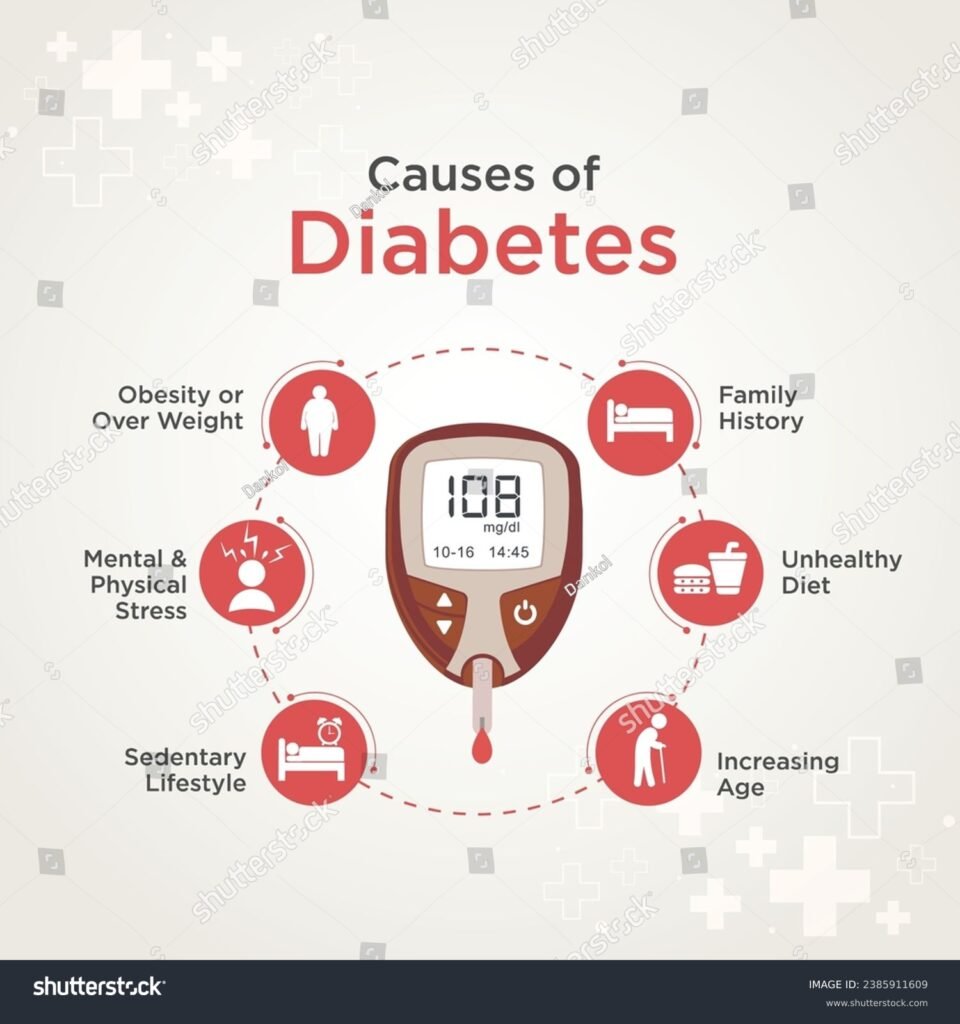
A sedentary lifestyle causes:
- Weight gain
- Insulin resistance
- Higher blood sugar levels
- Increased diabetes risk
Fortunately, you don’t need extreme workouts to benefit from being active. Regular movement and appropriate physical activity can support better blood glucose control and overall metabolic health. Even moderate daily exercise can improve insulin function.
Unhealthy Eating Patterns
Diet is often mentioned when people discuss the causes of diabetes, but it’s important to be precise. Diet alone is not the direct cause of diabetes, but unhealthy eating habits contribute to obesity and insulin resistance.
However, a long-term eating pattern that is high in calories and frequently includes sugary drinks, highly processed foods, refined carbohydrates, and foods high in unhealthy fats can contribute to weight gain and metabolic problems in some people. The following diets are also causes of diabetes :
- Sugary beverages
- Processed foods
- Refined carbohydrates
- Fast food
- Excess calories
- Foods high in saturated fats
In contrast, a balanced eating pattern that includes vegetables, whole grains, high-fiber foods, lean protein, and healthier sources of fat can support overall health and may help reduce the risk of Type 2 diabetes
{A balanced eating pattern is one part of supporting overall metabolic health. Learn more in our guide to [What Is Healthy Eating?].}
Age
The risk of Type 2 diabetes generally increases as people get older. However, age alone does not cause diabetes, and Type 2 diabetes can occur in younger adults, teenagers, and even children. As people age, changes in body composition, muscle mass, activity levels, and insulin sensitivity can contribute to an increased risk.
Today, Type 2 diabetes is increasingly seen in younger people as well, which is why it should not be considered only a disease of older adults. Although diabetes is more common after age 45, increasing childhood obesity has led to more cases among teenagers and young adults.
The risk of Type 2 diabetes increases with age because:
- Muscle mass naturally decreases.
- Physical activity often decreases.
- Insulin sensitivity becomes lower.
Increasing age is also one of the major causes of diabetes.
Prediabetes
Prediabetes is another important factor. With prediabetes, blood glucose levels are higher than normal but not yet high enough to meet the criteria for Type 2 diabetes.
People with prediabetes have a higher risk of eventually developing Type 2 diabetes. The good news is that Type 2 diabetes can sometimes be delayed or prevented by addressing modifiable risk factors, particularly through physical activity, healthy eating, and appropriate weight management.
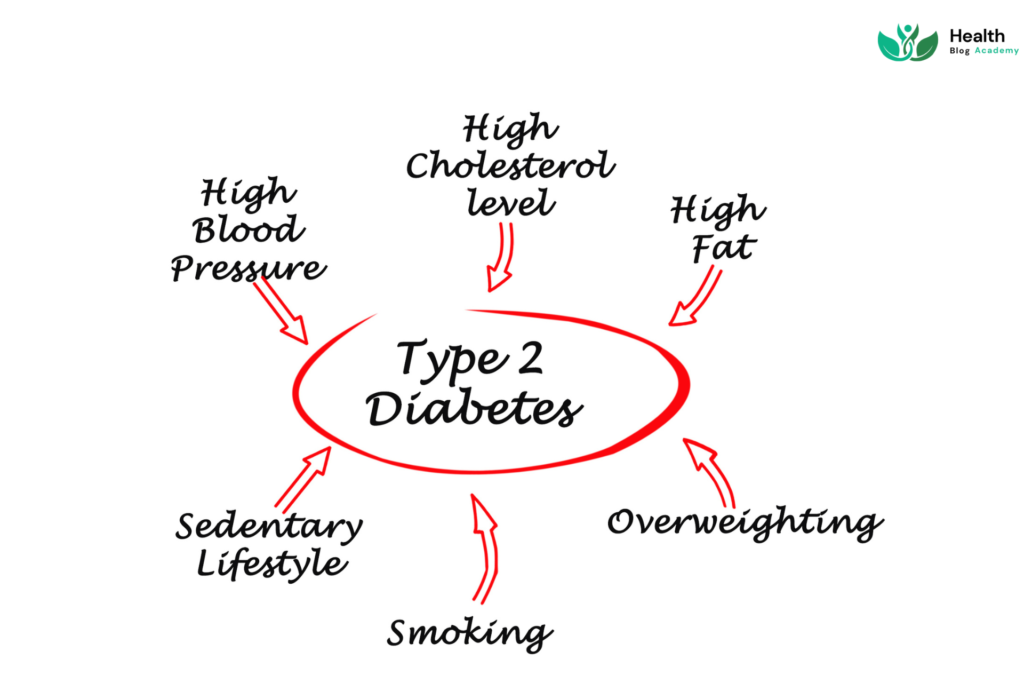
Other Risk Factors for Type 2 Diabetes
Several other factors can increase a person’s chances of developing Type 2 diabetes.
These include:
- A family history of diabetes
- Physical inactivity
- Overweight or obesity
- Prediabetes
- Increasing age
- A history of gestational diabetes
- Certain health conditions, including high blood pressure
- Certain medications or medical conditions
- Genetic susceptibility
Having several risk factors together can increase the overall likelihood of developing Type 2 diabetes.
Does Eating Sugar Cause Type 2 Diabetes?
Eating sugar does not mean that a person will automatically develop Type 2 diabetes. However, regularly consuming large amounts of sugary drinks and other high-calorie foods can contribute to excess calorie intake and weight gain, which may increase the risk of Type 2 diabetes.
Type 2 diabetes is more complicated than simply consuming sugar. Genetics, insulin resistance, body composition, physical activity, age, and other factors can all contribute to a person’s risk.
{Source: National Institute of Diabetes and Digestive and Kidney Diseases (NIDDK)3}
What Causes Gestational Diabetes?
Gestational diabetes develops during pregnancy when the body cannot produce enough insulin to overcome the increased insulin resistance caused by pregnancy-related hormonal changes.
Gestational diabetes is a type of diabetes that develops during pregnancy in women who did not have diabetes before becoming pregnant.
During pregnancy, the placenta produces hormones that help support the baby’s growth. These hormonal changes also make the body’s cells less sensitive to insulin, particularly later in pregnancy. These hormonal changes during pregnancy make it harder for the body to use insulin effectively, causing blood sugar levels to rise.
This is known as insulin resistance. The pancreas normally responds by producing additional insulin. If it cannot produce enough insulin to overcome the increased insulin resistance, blood glucose levels rise and gestational diabetes develops.
In most cases, gestational diabetes goes away after childbirth, but it increases the mother’s risk of developing Type 2 diabetes later in life and may also affect the baby’s health if left unmanaged.
Why Does Pregnancy Increase Insulin Resistance?
Pregnancy naturally changes the way the body handles glucose and insulin. During pregnancy, the placenta produces hormones that are essential for your baby’s growth and development. However, these same hormones can make the mother’s body less responsive to insulin, a condition known as insulin resistance.
To keep blood sugar levels within a healthy range, the pancreas normally produces extra insulin. If it cannot produce enough to meet the increased demand, glucose begins to build up in the bloodstream instead of entering the body’s cells for energy. As a result, blood sugar levels rise, leading to gestational diabetes.
This is the main biological process behind gestational diabetes.
Weight and Gestational Diabetes
Being overweight or having obesity before pregnancy can increase the likelihood of developing gestational diabetes because insulin resistance may already be present.
Gaining more weight than recommended during pregnancy may also increase risk. However, gestational diabetes can occur in people who are not overweight, so body weight alone does not explain why someone develops the condition.
Family History
Genetics can also influence the risk of gestational diabetes. A person may be more likely to develop gestational diabetes if they have a close family member with diabetes. A previous pregnancy complicated by gestational diabetes is another important risk factor.
Risk Factors for Gestational Diabetes
Some people have a higher risk of developing gestational diabetes than others. Risk factors can include:
- Having had gestational diabetes during a previous pregnancy
- Having a family history of Type 2 diabetes
- Being overweight or having obesity before pregnancy
- Having previously given birth to a large baby
- Having prediabetes before pregnancy
- Certain racial or ethnic backgrounds
- Some hormonal or metabolic conditions
Having one or more risk factors does not mean that someone will definitely develop gestational diabetes. It is possible to develop gestational diabetes without having obvious risk factors.
Does Eating Sugar Cause Gestational Diabetes?
Eating sugar by itself does not directly cause gestational diabetes. The condition is primarily related to pregnancy-related insulin resistance and the body’s ability to produce enough insulin to compensate for it. However, overall diet, body weight, physical activity, genetics, and other factors can influence metabolic health and diabetes risk.
Source: National Institute of Diabetes and Digestive and Kidney Diseases (NIDDK)4
Other Causes of Diabetes
Not every case of diabetes fits neatly into the three major categories. Some less common forms can develop because of specific genetic changes, diseases affecting the pancreas, hormonal disorders, or certain medications.
Monogenic Diabetes
Monogenic diabetes is caused by a change in a single gene.
It is different from the more common forms of diabetes because a specific genetic mutation can directly affect how the pancreas produces insulin or how the body regulates blood glucose.
Some forms of monogenic diabetes are inherited, while others can occur because of a new genetic change.
Pancreatic Diseases
Damage to the pancreas can sometimes interfere with insulin production. Certain pancreatic diseases or conditions that damage pancreatic tissue can therefore lead to diabetes.
In these situations, diabetes develops because the pancreas can no longer produce or release enough insulin to regulate blood glucose normally.
Medications and Medical Conditions
Certain medications and medical conditions can also contribute to diabetes in some people. For example, disorders that affect hormone levels can interfere with blood glucose regulation. Some medicines can also raise blood glucose or affect insulin sensitivity.
Do not stop or change a prescribed medication because of its potential effect on blood glucose. Anyone concerned about medication-related blood sugar changes should discuss it with their healthcare professional.
Risk Factors for Diabetes
Not everyone who develops diabetes has the same risk factors, and having a risk factor does not mean that a person will definitely develop diabetes. Risk factors increase the likelihood of developing the condition, while the underlying mechanisms differ between types of diabetes.
Some risk factors are more strongly associated with Type 2 diabetes, while others are related to Type 1 diabetes, gestational diabetes, or specific forms of diabetes.
Family History and Genetics
A family history of diabetes can increase a person’s likelihood of developing the condition. Genetic factors are particularly important in Type 1 and Type 2 diabetes, although the role of genetics differs between them.
Having a parent or sibling with diabetes does not mean that diabetes is inevitable. Genes interact with environmental, metabolic, and lifestyle factors.
Excess Body Weight
Having excess body weight is an important risk factor for Type 2 diabetes because it can contribute to insulin resistance. However, body weight alone does not determine whether someone will develop diabetes. People at different body weights can develop Type 2 diabetes.
Physical Inactivity
Regular physical activity helps muscles use glucose and can improve insulin sensitivity. A consistently inactive lifestyle is associated with a higher risk of Type 2 diabetes. Even small increases in regular physical activity can support better metabolic health.
Age
The risk of Type 2 diabetes generally increases with age. However, Type 2 diabetes can also develop in younger adults, teenagers, and children. Age is therefore considered a risk factor, not a direct cause of diabetes.
Prediabetes
Prediabetes means that blood glucose levels are higher than normal but not yet in the range used to diagnose diabetes. It can indicate that the body is developing problems with insulin regulation and increases the risk of Type 2 diabetes.
Not everyone with prediabetes will develop Type 2 diabetes.
History of Gestational Diabetes
People who have had gestational diabetes during pregnancy have a higher risk of developing Type 2 diabetes later in life. Regular follow-up and appropriate lifestyle and medical care can help manage this risk.
High Blood Pressure and Abnormal Cholesterol
High blood pressure and abnormal levels of blood fats are often associated with insulin resistance and an increased risk of Type 2 diabetes. These conditions can occur alongside other metabolic risk factors.
Other Health Conditions
Certain medical conditions can increase diabetes risk. These may include conditions associated with hormonal changes, insulin resistance, pancreatic disease, or certain genetic syndromes.
Causes vs. Risk Factors: What’s the Difference?
A cause describes an underlying process that contributes directly to how a disease develops, while a risk factor increases the likelihood of developing that disease.
For example, autoimmune destruction of insulin-producing cells is central to the development of Type 1 diabetes. In Type 2 diabetes, insulin resistance and progressive problems with insulin production are central processes, while factors such as family history, physical inactivity, excess body weight, and age can increase risk.
Keeping these concepts separate helps explain why diabetes cannot be attributed to one simple cause.
Can Sugar Cause Diabetes?
Eating sugar does not directly cause Type 1 diabetes, and eating sugar alone does not automatically cause Type 2 diabetes. Diabetes is a complex condition influenced by different biological, genetic, metabolic, and environmental factors.
However, regularly consuming large amounts of sugary drinks and other high-calorie foods can contribute to excess calorie intake and weight gain. Excess body weight can increase insulin resistance and, in turn, increase the risk of Type 2 diabetes.
The important distinction is that sugar is not a single direct cause of diabetes. Instead, overall eating patterns, energy balance, body composition, physical activity, genetics, and other factors can influence the risk of Type 2 diabetes.
Common Myths About What Causes Diabetes
Myth 1: Eating sugar directly causes diabetes
Fact: Sugar alone does not directly cause Type 1 or Type 2 diabetes. However, frequently consuming sugary, high-calorie foods and drinks can contribute to weight gain and may increase the risk of Type 2 diabetes.
Myth 2: Only people with obesity develop Type 2 diabetes
Fact: Excess body weight is an important risk factor for Type 2 diabetes, but it is not the only one. Genetics, age, family history, physical activity, and other metabolic factors also play a role. People who are not overweight can also develop Type 2 diabetes.
Myth 3: Type 1 diabetes is caused by an unhealthy diet
Fact: Type 1 diabetes is an autoimmune condition. The immune system attacks insulin-producing beta cells in the pancreas. Diet and lifestyle are not considered the underlying cause.
Myth 4: Diabetes is always caused by lifestyle choices
Fact: Diabetes has multiple forms and causes. Some forms involve autoimmune reactions or genetic conditions, while others can be associated with pregnancy, pancreatic disease, hormonal disorders, medications, or insulin resistance.
Myth 5: If diabetes runs in your family, you will definitely get it
Fact: Family history can increase the risk of diabetes, but it does not guarantee that someone will develop the condition. Genes interact with many other factors.
What Are the Symptoms of Diabetes?
Diabetes can develop gradually, and some people may have few or no noticeable symptoms, particularly in the early stages of Type 2 diabetes. When symptoms occur, common signs can include increased thirst, frequent urination, increased hunger, unexplained weight loss, fatigue, blurred vision, and slow-healing wounds.
Type 1 diabetes can sometimes develop quickly, with symptoms becoming noticeable over a relatively short period. Type 2 diabetes often develops more gradually and may go unnoticed for years.
Symptoms alone cannot determine whether someone has diabetes. A healthcare professional can diagnose diabetes using blood glucose tests and other appropriate assessments.
Source : CDC5
When Should You Get Tested for Diabetes?
If you have symptoms of diabetes, have several risk factors, or are concerned about your blood glucose levels, speak with a healthcare professional about testing. Some people with Type 2 diabetes have no obvious symptoms, so testing can be important even when you feel well.
Blood tests can determine whether your blood glucose is within the normal range, in the prediabetes range, or in the diabetes range. Your healthcare professional can recommend the appropriate test based on your symptoms, age, risk factors, and medical history.
Do not try to diagnose diabetes based on symptoms alone. Proper testing is needed to confirm the condition.se is within the normal range, falls into the prediabetes range, or meets the criteria for diabetes.
Can Diabetes Be Prevented?
Whether diabetes can be prevented depends on the type. Type 1 diabetes cannot currently be prevented with diet or lifestyle changes, because it is an autoimmune condition. Researchers continue to study why the immune system attacks insulin-producing cells and whether Type 1 diabetes can be delayed or prevented.
Type 2 diabetes is different. Some cases can be prevented or delayed by addressing modifiable risk factors. Regular physical activity, maintaining a healthy weight, eating a balanced diet, avoiding tobacco, and getting appropriate medical care can help reduce the risk, particularly in people who have prediabetes or other risk factors.
Gestational diabetes cannot always be prevented, because pregnancy itself causes changes in insulin sensitivity. However, maintaining healthy habits before and during pregnancy and receiving recommended prenatal care can help support overall metabolic health.
It’s important to remember that prevention is not about blaming people for developing diabetes. Genetics, age, pregnancy, medical conditions, and other factors can influence risk, and some causes are outside a person’s control.
Ways to Lower the Risk of Type 2 Diabetes
- Stay physically active regularly.
- Aim for a healthy weight if advised by your healthcare professional.
- Choose a balanced eating pattern that includes vegetables, fruits, whole grains, legumes, and other nutrient-rich foods.
- Limit frequent consumption of sugar-sweetened beverages and highly processed foods.
- Avoid smoking and tobacco products.
- If you have prediabetes, discuss prevention strategies with a healthcare professional.
- Attend recommended health screenings if you have increased risk.
Final Thoughts on the Causes of Diabetes
The causes of diabetes are more complicated than simply eating too much sugar.
Type 1 diabetes is primarily an autoimmune disease in which the immune system destroys insulin-producing cells. Type 2 diabetes usually develops through a combination of insulin resistance, reduced insulin production, genetics, body weight, physical inactivity, age, and other health factors. Gestational diabetes occurs when pregnancy-related insulin resistance becomes too great for the pancreas to overcome.
Understanding these differences matters because diabetes is not a condition that looks the same in everyone.
Some risk factors cannot be changed, such as genetics and age. Others, particularly those associated with Type 2 diabetes, may be modifiable.
If you’re concerned about your personal risk of diabetes, don’t rely on symptoms alone. Talk with a healthcare professional about your risk factors and whether you should have your blood glucose tested.
Frequently Asked Questions About the Causes of Diabetes
What is the main cause of diabetes?
There is no single main cause of all diabetes. The underlying cause depends on the type. Type 1 diabetes is caused by an autoimmune reaction that destroys insulin-producing cells. Type 2 diabetes usually involves insulin resistance and progressive problems with insulin production, while gestational diabetes develops when pregnancy-related insulin resistance becomes greater than the body’s ability to produce enough insulin.
What causes Type 1 diabetes?
Type 1 diabetes occurs when the immune system mistakenly attacks and destroys insulin-producing beta cells in the pancreas. Genetics can influence susceptibility, and researchers are studying environmental factors that may contribute to the autoimmune process. Type 1 diabetes is not caused by eating sugar or by an unhealthy lifestyle.
What causes Type 2 diabetes?
Type 2 diabetes usually develops through a combination of insulin resistance and the gradual decline in the pancreas’s ability to produce enough insulin. Genetics, family history, excess body weight, physical inactivity, age, prediabetes, and other factors can increase a person’s risk.
Can eating too much sugar cause diabetes?
Eating sugar alone does not directly cause diabetes. However, regularly consuming large amounts of sugary drinks and other high-calorie foods can contribute to excess calorie intake and weight gain, which may increase the risk of Type 2 diabetes. Type 1 diabetes is an autoimmune condition and is not caused by eating sugar.
Can stress cause diabetes?
Stress does not directly cause all forms of diabetes. However, prolonged stress can affect hormones, blood glucose regulation, sleep, eating habits, and physical activity. These effects may contribute to factors associated with Type 2 diabetes or make blood glucose more difficult to manage in someone who already has diabetes.
Why do some people develop diabetes and others don’t?
Diabetes develops through different combinations of genetic, biological, environmental, and lifestyle factors. Two people can have similar lifestyles but have different risks because of differences in genetics, age, health conditions, pregnancy history, body composition, and other factors.
Can diabetes be prevented?
Prevention depends on the type. Type 1 diabetes cannot currently be prevented through diet or lifestyle changes. Some cases of Type 2 diabetes can be prevented or delayed by addressing modifiable risk factors. Gestational diabetes cannot always be prevented because pregnancy naturally changes insulin sensitivity.
How does a person develop diabetes?
A person develops diabetes when the body’s blood glucose regulation becomes impaired. The mechanism differs by type: Type 1 involves autoimmune destruction of insulin-producing cells, Type 2 primarily involves insulin resistance and inadequate insulin production, and gestational diabetes involves pregnancy-related insulin resistance
Medical disclaimer: This article is intended for general educational purposes and should not replace advice, diagnosis, or treatment from a qualified healthcare professional.
- https://www.niddk.nih.gov/health-information/diabetes/overview ↩︎
- https://www.niddk.nih.gov/health-information/diabetes/overview/symptoms-causes ↩︎
- https://www.niddk.nih.gov/health-information/diabetes/overview/symptoms-causes ↩︎
- https://www.niddk.nih.gov/health-information/diabetes/overview/what-is-diabetes/gestational/symptoms-causes ↩︎
- https://www.cdc.gov/diabetes/signs-symptoms/index.html ↩︎