Diabetes is not one single disease. It is a group of conditions that affect how the body uses and regulates glucose, commonly called blood sugar. Although type 1 diabetes, type 2 diabetes, and gestational diabetes are the types most people know, there are several other forms that can develop because of genetic conditions, pancreatic diseases, medications, or other underlying causes.
Understanding the different types of diabetes is important because the cause of high blood sugar, the symptoms, treatment, and long-term management can vary significantly from one person to another.
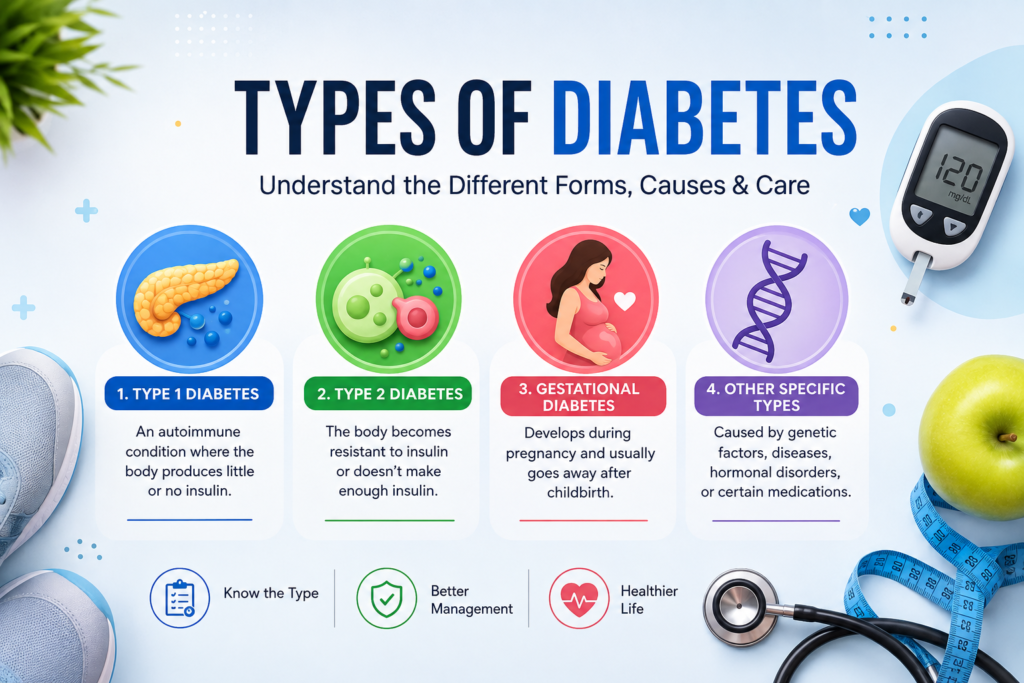
In type 1 diabetes, the immune system destroys insulin-producing cells in the pancreas. In type 2 diabetes, the body typically becomes resistant to insulin and eventually may not produce enough insulin to maintain normal blood glucose. Gestational diabetes develops during pregnancy, while other specific forms can result from genetic changes, pancreatic disorders, endocrine diseases, or certain medications.
This complete guide explains the major types of diabetes, how they differ, what causes them, common symptoms, how diabetes is diagnosed, and why identifying the correct type matters.
Key Takeaways
- The major categories of diabetes are type 1 diabetes, type 2 diabetes, gestational diabetes, and diabetes caused by other specific conditions.
- Type 1 diabetes is an autoimmune condition that usually results in little or no insulin production.
- Type 2 diabetes is generally associated with insulin resistance and a progressive loss of adequate insulin production.
- Gestational diabetes develops during pregnancy and can increase the mother’s future risk of type 2 diabetes.
- Rare forms such as monogenic diabetes are caused by changes in individual genes.
- Prediabetes is not diabetes, but it increases the risk of developing type 2 diabetes.
- Diabetes can occur at any age. Type 1 is not exclusively a childhood disease, and type 2 is not exclusively an adult disease.
- Correctly identifying the type of diabetes can help healthcare professionals choose appropriate treatment.
What Is Diabetes?
Diabetes develops when blood glucose levels become too high.
Glucose is an important source of energy for the body’s cells. After eating, carbohydrates are broken down into glucose, which enters the bloodstream. The pancreas responds by producing insulin, a hormone that helps glucose move from the bloodstream into cells.
When the body does not produce enough insulin, cannot use insulin effectively, or has another problem affecting glucose regulation, blood sugar can rise.
Persistently high blood glucose can damage blood vessels and organs over time. Diabetes is associated with complications affecting the heart, kidneys, eyes, nerves, and other parts of the body.
The American Diabetes Association’s current classification recognizes four broad clinical categories:
- Type 1 diabetes
- Type 2 diabetes
- Gestational diabetes mellitus
- Specific types of diabetes caused by other conditions or factors
The fourth category includes conditions such as monogenic diabetes, diseases affecting the exocrine pancreas, and diabetes caused by certain drugs or chemicals.
1. Type 1 Diabetes
Type 1 diabetes is an autoimmune form of diabetes in which the immune system attacks and destroys the pancreatic beta cells that produce insulin.
As these cells are destroyed, the body produces little or no insulin. Without insulin, glucose cannot move into cells normally, causing glucose to accumulate in the bloodstream.
People with established type 1 diabetes require insulin to stay alive.
What causes type 1 diabetes?
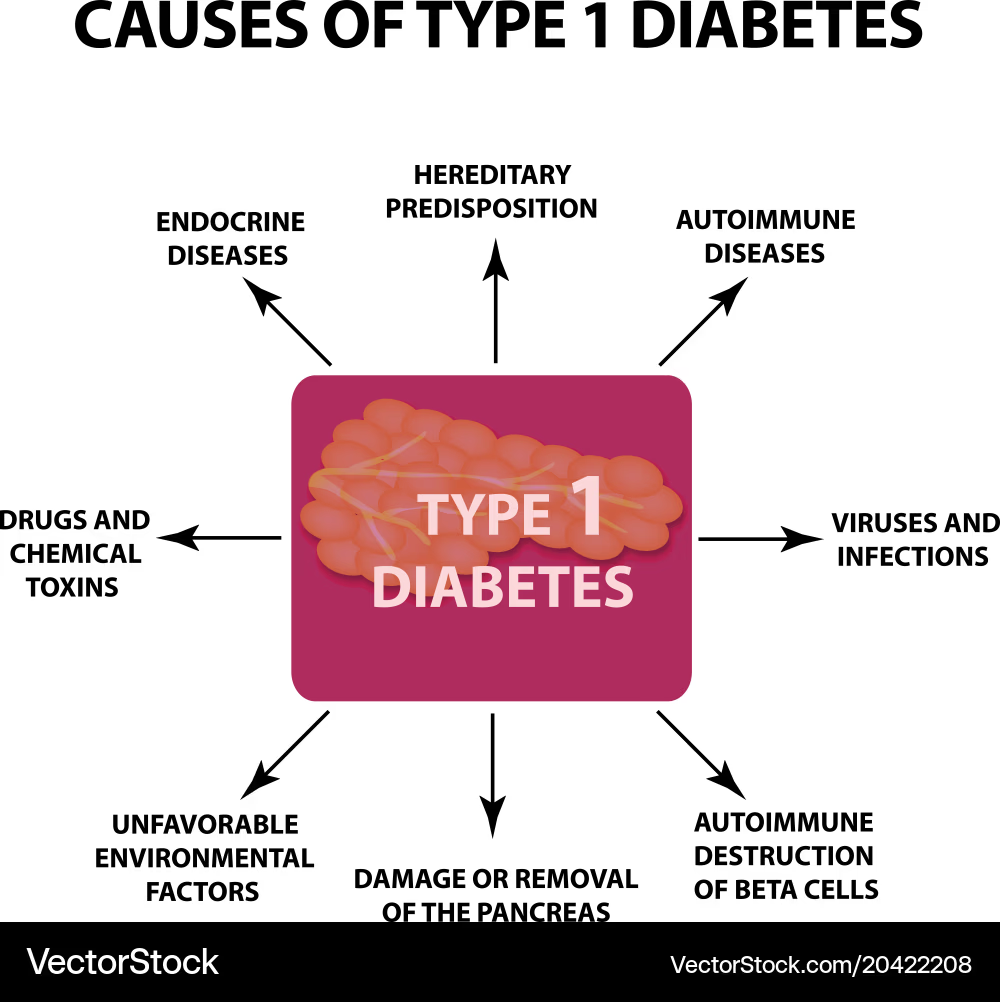
The exact cause of type 1 diabetes is not fully understood. Researchers believe that genetic susceptibility and environmental factors can contribute to the development of the autoimmune response.
What is important to understand is that type 1 diabetes is not simply caused by eating too much sugar.
It is also incorrect to assume that type 1 diabetes only affects children. Although it is commonly diagnosed during childhood and young adulthood, it can develop at any age. Adults can develop autoimmune diabetes as well.
Symptoms of type 1 diabetes
Type 1 diabetes can develop relatively quickly, particularly in children.
Common symptoms include:
- Frequent urination
- Excessive thirst
- Increased hunger
- Unexplained weight loss
- Fatigue
- Blurred vision
- Irritability or mood changes
In some cases, type 1 diabetes is first recognized when a person develops diabetic ketoacidosis (DKA), a serious complication caused by severe insulin deficiency.
Symptoms of DKA can include nausea, vomiting, abdominal pain, dehydration, and abnormal breathing. DKA is a medical emergency and requires immediate treatment.
How is type 1 diabetes treated?
Insulin replacement is the foundation of type 1 diabetes treatment.
Insulin may be delivered using:
- Insulin injections
- Insulin pens
- Insulin pumps
- Automated insulin-delivery systems
People with type 1 diabetes also need ongoing blood glucose management and education about food, physical activity, illness, insulin dosing, and preventing dangerously high or low blood glucose.
Treatment is individualized because insulin needs can vary significantly from person to person.
2. Type 2 Diabetes
Type 2 diabetes is the most common type of diabetes.
In type 2 diabetes, the body’s cells generally do not respond to insulin effectively. This is called insulin resistance.
At first, the pancreas may compensate by producing more insulin. Over time, however, the pancreas may not be able to produce enough insulin to overcome insulin resistance, causing blood glucose levels to rise.
What causes type 2 diabetes?
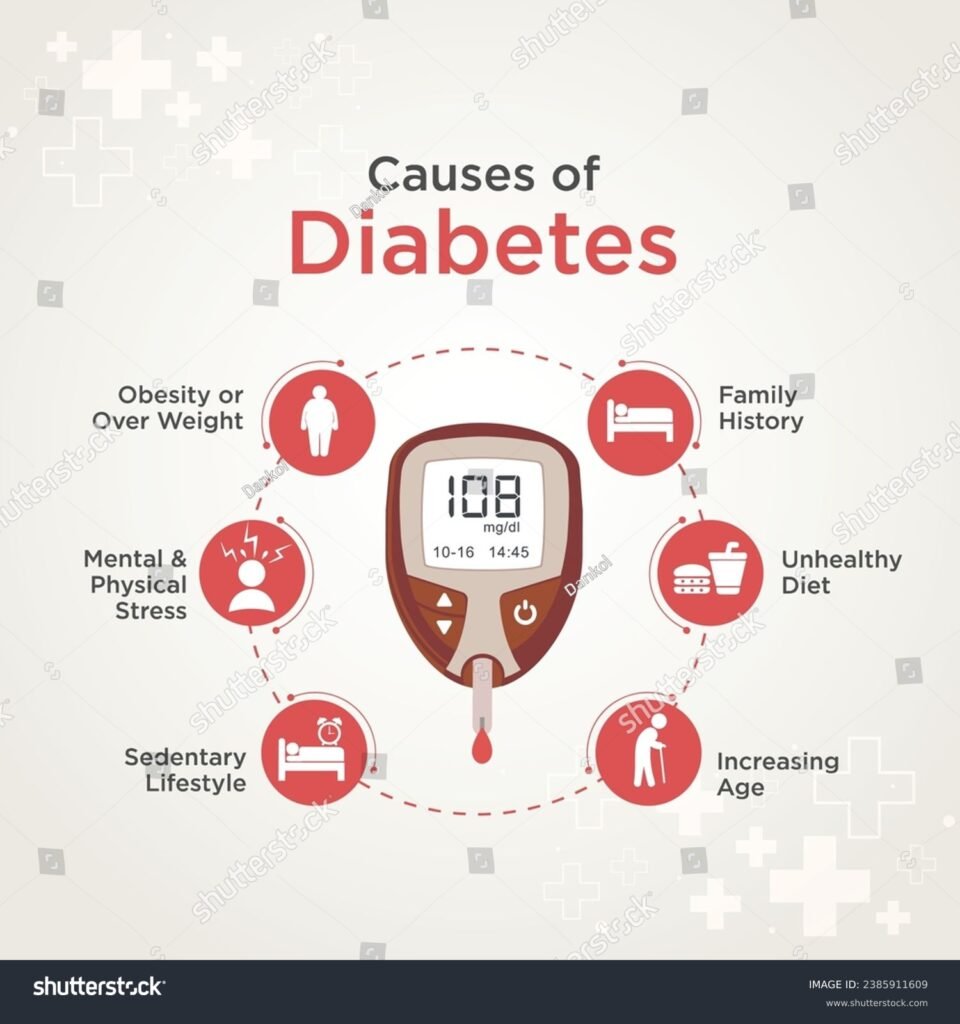
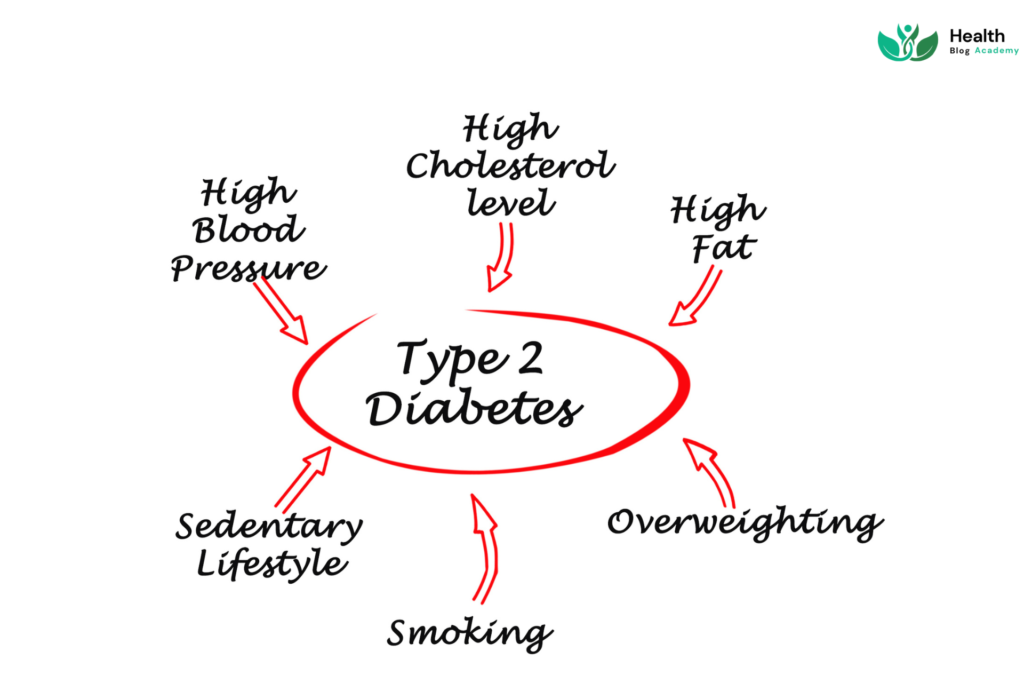
Type 2 diabetes develops through a combination of genetic, metabolic, and environmental factors.
Risk factors can include:
- Family history of type 2 diabetes
- Overweight or obesity
- Physical inactivity
- Increasing age
- Previous gestational diabetes
- Prediabetes
- Certain metabolic or medical conditions
However, type 2 diabetes should not be reduced to the idea that someone developed it simply because they ate sugar.
Genetics, age, body composition, physical activity, family history, and other factors can all influence risk.
Type 2 diabetes can occur at any age, including childhood and adolescence. The traditional idea that type 1 diabetes occurs in children while type 2 diabetes occurs only in adults is inaccurate.
Symptoms of type 2 diabetes
Type 2 diabetes often develops gradually. Some people may have elevated blood glucose for years without obvious symptoms.
Possible symptoms include:
- Increased thirst
- Frequent urination
- Increased hunger
- Fatigue
- Blurred vision
- Unexplained weight loss
- Slow-healing wounds
- Recurrent infections
- Numbness or tingling in the hands or feet
Some people discover they have type 2 diabetes only after developing another health problem associated with prolonged high blood glucose.
How is type 2 diabetes treated?
Treatment depends on blood glucose levels, overall health, other medical conditions, personal circumstances, and individual treatment goals.
Management may include:
- Healthy eating
- Regular physical activity
- Weight management when appropriate
- Diabetes education
- Oral medications
- Injectable medications
- Insulin when needed
- Blood glucose monitoring
Some people can manage type 2 diabetes through lifestyle changes, particularly during the early stages. Others need medication from the beginning or may eventually require insulin.
Needing medication does not mean someone has failed to manage their diabetes. Type 2 diabetes can progress over time, and treatment may need to change as the body’s ability to produce and use insulin changes.
Can type 2 diabetes be prevented?
Type 2 diabetes can often be prevented or delayed in people who are at increased risk.
Lifestyle changes such as becoming more physically active, eating a balanced diet, and managing weight when appropriate can reduce the risk of progression from prediabetes to type 2 diabetes.
3. Gestational Diabetes
Gestational diabetes mellitus (GDM) is diabetes that develops during pregnancy.
Pregnancy naturally changes the way the body uses insulin. Hormonal changes can make cells more resistant to insulin, increasing the amount of insulin the pancreas needs to produce.
If the pancreas cannot make enough additional insulin to compensate, blood glucose can rise and gestational diabetes can develop.
When does gestational diabetes develop?
Gestational diabetes is commonly diagnosed between 24 and 28 weeks of pregnancy.
Healthcare professionals may recommend earlier testing for people who have risk factors for diabetes or who may already have undiagnosed diabetes.
What are the symptoms of gestational diabetes?
Most people with gestational diabetes do not experience obvious symptoms.
When symptoms occur, they may be mild and can include:
- Increased thirst
- More frequent urination
- Fatigue
Because symptoms can be difficult to distinguish from normal pregnancy changes, screening is particularly important.
Why is gestational diabetes important?
High blood glucose during pregnancy can affect both the pregnant person and the developing baby.
Poorly controlled gestational diabetes can increase the risk of complications, including excessive fetal growth, difficulties during delivery, low blood glucose in the newborn, and other pregnancy-related problems.
The good news is that appropriate management can help reduce these risks.
Treatment may involve:
- Healthy eating
- Appropriate physical activity
- Blood glucose monitoring
- Diabetes education
- Medication when necessary
What happens after pregnancy?
Gestational diabetes often goes away after the baby is born. However, having gestational diabetes increases the mother’s future risk of developing type 2 diabetes.
Follow-up testing after pregnancy is therefore important. NIDDK notes that people who had gestational diabetes are generally tested for diabetes after delivery, often within 12 weeks.
4. Other Specific Types of Diabetes
Not every case of diabetes fits into type 1, type 2, or gestational diabetes.
The fourth broad category includes diabetes caused by specific underlying conditions.
Examples include:
- Monogenic diabetes
- Diseases affecting the exocrine pancreas
- Diabetes associated with cystic fibrosis
- Certain endocrine disorders
- Diabetes caused by pancreatic damage or removal
- Drug- or chemical-induced diabetes
Identifying the underlying cause can be important because treatment may differ from standard type 1 or type 2 diabetes management.
Monogenic Diabetes
Monogenic diabetes is a group of uncommon forms of diabetes caused by a change in a single gene.
This makes it different from type 1 and type 2 diabetes, which generally involve multiple genetic and environmental influences.
The two major forms of monogenic diabetes are:
- Maturity-onset diabetes of the young (MODY)
- Neonatal diabetes mellitus (NDM)
MODY often develops during adolescence or young adulthood and can run through families.
Neonatal diabetes develops during infancy. Diabetes diagnosed during the first six months of life is particularly suggestive of neonatal diabetes and may require genetic investigation.
Some people with monogenic diabetes are initially diagnosed with type 1 or type 2 diabetes because their symptoms can look similar.
Genetic testing can help identify some forms of monogenic diabetes and may influence treatment decisions.
Diabetes Caused by Pancreatic Disease
The pancreas is responsible for producing insulin, so diseases that damage pancreatic tissue can interfere with insulin production.
Examples include certain pancreatic disorders, pancreatic surgery, and diseases such as cystic fibrosis.
Cystic fibrosis can cause pancreatic damage and scarring, which may reduce the pancreas’s ability to produce insulin.
This form of diabetes is sometimes classified differently from conventional type 1 or type 2 diabetes because the underlying cause is pancreatic disease.
Drug- or Chemical-Induced Diabetes
Certain medications or chemical exposures can contribute to elevated blood glucose or diabetes in susceptible individuals.
The mechanisms can vary. Some medications can affect insulin sensitivity, insulin secretion, or glucose metabolism.
If you suspect a medication is affecting your blood glucose, do not stop taking it without medical advice. A healthcare professional can determine whether the medication is contributing to the problem and whether another treatment approach is appropriate.
The American Diabetes Association includes drug- or chemical-induced diabetes among the specific forms of diabetes caused by other factors.
Is Prediabetes a Type of Diabetes?
No. Prediabetes is not a type of diabetes.
Prediabetes means blood glucose levels are above the normal range but not high enough to meet the diagnostic criteria for diabetes.
It is nevertheless an important warning sign.
People with prediabetes have an increased risk of developing type 2 diabetes and cardiovascular disease. Taking action during the prediabetes stage can help reduce the risk of progression.
For nonpregnant adults, commonly used diagnostic ranges include:
| Test | Normal | Prediabetes | Diabetes |
|---|---|---|---|
| A1C | Below 5.7% | 5.7%–6.4% | 6.5% or higher |
| Fasting plasma glucose | 99 mg/dL or below | 100–125 mg/dL | 126 mg/dL or higher |
| 2-hour oral glucose tolerance test | 139 mg/dL or below | 140–199 mg/dL | 200 mg/dL or higher |
A diagnosis should be made using appropriate clinical testing. In the absence of unequivocal hyperglycemia, the ADA recommends confirmatory testing.
Common Symptoms of Diabetes
Different types of diabetes can have different presentations, but several symptoms are commonly associated with high blood glucose.
These include:
- Frequent urination
- Increased thirst
- Increased hunger
- Fatigue
- Unexplained weight loss
- Blurred vision
- Slow-healing wounds
- Recurrent infections
- Numbness or tingling in the hands or feet
However, symptoms alone cannot tell you which type of diabetes you have.
Type 1 diabetes may develop quickly, while type 2 diabetes can develop gradually and may cause few noticeable symptoms. Gestational diabetes frequently has no symptoms.
How Is Diabetes Diagnosed?
Several blood tests can be used to diagnose diabetes.
A1C Test
The A1C test measures glycated hemoglobin and provides an indication of average blood glucose over approximately the previous two to three months.
An A1C of 6.5% or higher is within the diabetes diagnostic range for nonpregnant individuals when the appropriate testing criteria are met.
Fasting Plasma Glucose
This test measures blood glucose after fasting.
A fasting plasma glucose level of 126 mg/dL (7.0 mmol/L) or higher is within the diabetes diagnostic range.
Oral Glucose Tolerance Test
During an oral glucose tolerance test, blood glucose is measured after fasting and again after consuming a standardized glucose solution.
A 2-hour plasma glucose level of 200 mg/dL (11.1 mmol/L) or higher is within the diabetes diagnostic range for nonpregnant individuals.
Random Plasma Glucose
A random plasma glucose level of 200 mg/dL (11.1 mmol/L) or higher, together with classic symptoms of hyperglycemia or a hyperglycemic crisis, can also meet diagnostic criteria.
How Do Doctors Determine Which Type of Diabetes Someone Has?
Blood glucose testing can establish that diabetes is present, but it does not always identify the type.
Healthcare professionals may consider:
- Age at diagnosis
- Symptoms and how quickly they developed
- Family history
- Body weight and metabolic characteristics
- Previous episodes of DKA
- Insulin requirements
- Autoantibody testing
- C-peptide testing
- Genetic testing when appropriate
- Other medical conditions
For example, diabetes-related autoantibodies can help identify autoimmune type 1 diabetes, while genetic testing can help identify monogenic diabetes.
The ADA also recognizes that some people cannot be clearly classified as type 1 or type 2 when diabetes is first diagnosed. This is one reason diabetes classification should be based on the individual’s clinical picture rather than assumptions about age or appearance.
Type 1 vs. Type 2 vs. Gestational Diabetes
| Feature | Type 1 Diabetes | Type 2 Diabetes | Gestational Diabetes |
|---|---|---|---|
| Main mechanism | Autoimmune destruction of beta cells | Insulin resistance plus inadequate insulin production | Pregnancy-related insulin resistance with inadequate insulin response |
| Insulin production | Little or none after significant beta-cell destruction | Usually present but may become insufficient | Usually present but insufficient for pregnancy-related needs |
| Typical age | Any age | Any age | During pregnancy |
| Symptoms | Can develop quickly | Often gradual or absent | Often absent |
| Insulin required? | Yes | Sometimes | Sometimes |
| Can it be delayed/prevented? | No established general prevention | Often preventable or delayable in high-risk people | Risk may sometimes be reduced |
| Future considerations | Lifelong insulin management | Long-term glucose management | Higher future risk of type 2 diabetes |
These distinctions are useful, but individual cases do not always follow a textbook pattern.
Why the Correct Diabetes Type Matters
Knowing that someone has diabetes is important, but knowing which type is equally important.
Treatment for type 1 diabetes depends on replacing insulin because the pancreas produces little or no insulin.
Type 2 diabetes may initially be managed through lifestyle changes and medications that improve glucose control, although some people eventually need insulin.
Gestational diabetes requires a pregnancy-specific treatment approach because blood glucose affects both the pregnant person and developing baby.
Meanwhile, someone with monogenic diabetes may benefit from a completely different treatment strategy once the specific genetic cause is identified.
In other words, diabetes treatment is not one-size-fits-all.
Correct classification helps healthcare professionals choose treatments based on the underlying biology of the disease rather than simply treating the blood glucose number.
Can Someone Be Misdiagnosed With the Wrong Type of Diabetes?
Yes.
Diabetes classification can sometimes be difficult, particularly in adults.
For example, an adult with autoimmune diabetes might initially appear to have type 2 diabetes. Likewise, a person with monogenic diabetes may initially be diagnosed with type 1 or type 2 diabetes because the symptoms overlap.
The ADA notes that some individuals cannot be clearly classified at diagnosis.
If a person’s clinical course does not fit their diagnosis, a healthcare professional may consider additional testing.
This can be particularly relevant when:
- Diabetes develops at an unusually young age.
- There is a strong family history of diabetes across generations.
- Someone does not respond as expected to treatment.
- Autoimmune diabetes is suspected.
- Diabetes develops in an infant.
- There is pancreatic disease or another underlying condition.
A correct diagnosis can sometimes change the treatment approach.
Final Thoughts
The term diabetes covers several different diseases, not just one condition.
The three most familiar types are type 1 diabetes, type 2 diabetes, and gestational diabetes, while other specific forms can result from genetic changes, pancreatic disease, medications, endocrine disorders, and other causes.
Type 1 diabetes is primarily an autoimmune disease that results in severe insulin deficiency. Type 2 diabetes involves insulin resistance and progressive impairment of insulin production. Gestational diabetes develops during pregnancy when the body’s insulin needs increase. Rare forms such as monogenic diabetes have specific genetic causes and may require specialized testing.
Recognizing these differences is more than a matter of terminology. The type of diabetes a person has can influence diagnosis, treatment, monitoring, and long-term care.
If you are experiencing symptoms such as excessive thirst, frequent urination, unexplained weight loss, persistent fatigue, or blurred vision—or if you have risk factors for diabetes—speak with a qualified healthcare professional about appropriate testing.
Diabetes can be a serious condition, but understanding the disease is an important first step toward managing it effectively.
Medical Disclaimer
This article is intended for general health education and does not replace professional medical advice, diagnosis, or treatment. If you think you may have diabetes or have abnormal blood glucose results, consult a qualified healthcare professional for appropriate evaluation.
Sources and Further Reading
- National Institute of Diabetes and Digestive and Kidney Diseases (NIDDK): Diabetes overview and types.
- American Diabetes Association: Standards of Care in Diabetes—2026: Diagnosis and Classification of Diabetes.
- NIDDK: Symptoms and causes of diabetes.
- NIDDK: Monogenic diabetes, MODY, and neonatal diabetes.
- NIDDK: Gestational diabetes.
- NIDDK: Diabetes tests and diagnosis.