Type 1 diabetes is a lifelong condition that affects how the body uses glucose, the main source of energy for the body’s cells. It develops when the immune system mistakenly attacks the insulin-producing cells in the pancreas. As these cells are gradually destroyed, the body loses its ability to produce enough insulin. Without insulin, glucose cannot move properly from the bloodstream into the cells, causing blood sugar levels to rise. Although Type 1 diabetes is often diagnosed in children and young adults, it can appear at any age.
A diagnosis of Type 1 diabetes can be difficult to accept, particularly when it comes unexpectedly. People may suddenly find themselves having to monitor their blood sugar, take insulin, pay closer attention to meals, and learn how exercise and illness affect their glucose levels. Despite these challenges, diabetes does not prevent someone from living an active and fulfilling life. With appropriate treatment and regular care, people with Type 1 diabetes can work, study, travel, exercise, raise families, and enjoy many of the same activities as anyone else.
What Is Type 1 Diabetes?
Type 1 diabetes is an autoimmune disease in which the body’s immune system mistakenly attacks its own insulin-producing beta cells. These cells are located in small groups within the pancreas and play a crucial role in regulating blood glucose. When food is digested, carbohydrates are broken down into glucose and released into the bloodstream. Insulin then helps move that glucose from the blood into cells, where it can be used for energy.
When most of the beta cells have been destroyed, the pancreas can no longer produce enough insulin to meet the body’s needs. Glucose then remains in the bloodstream instead of entering the cells. The resulting high blood sugar can cause symptoms such as excessive thirst, frequent urination, tiredness, and unexplained weight loss. Because the body cannot make enough insulin on its own, people with established Type 1 diabetes need insulin replacement every day.
Type 1 diabetes should not be confused with Type 2 diabetes. Both conditions can cause high blood sugar, but they develop for different reasons. In Type 2 diabetes, the body usually becomes resistant to insulin and may eventually fail to produce enough of it. Type 1 diabetes, on the other hand, involves an autoimmune attack on the cells responsible for producing insulin.
What Causes Type 1 Diabetes?
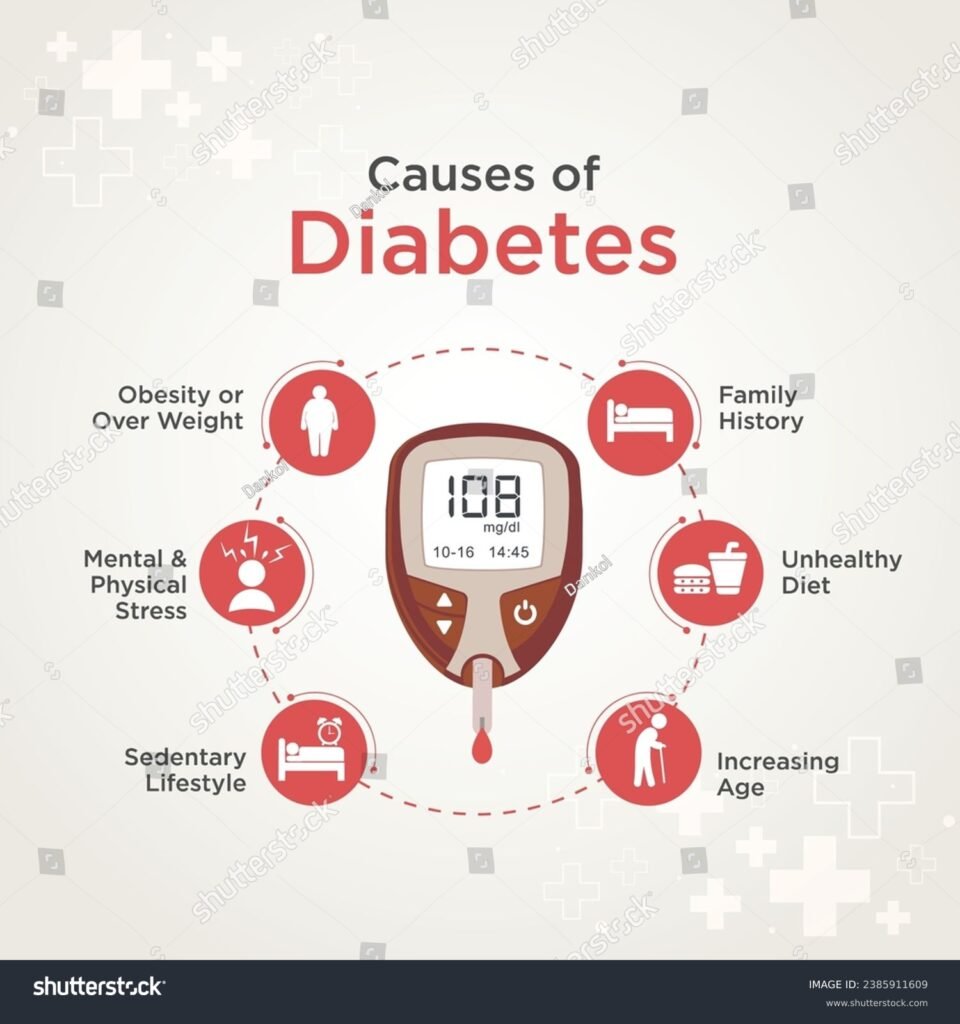
The exact reason why some people develop Type 1 diabetes is still not fully understood. Researchers believe that several factors may work together, particularly genetic susceptibility and environmental influences. A person may inherit genes that increase the likelihood of developing the condition, but having those genes does not necessarily mean that Type 1 diabetes will develop.
Family history can play a role, although it is important to remember that many people diagnosed with Type 1 diabetes have no close relative with the disease. Researchers have also investigated environmental triggers, including certain viral infections, because these may contribute to the immune system becoming mistakenly activated against pancreatic beta cells. However, there is no single environmental factor that has been proven to cause Type 1 diabetes in everyone who develops it.
Is Type 1 Diabetes Caused by Eating Sugar?
One of the most persistent misconceptions about Type 1 diabetes is that it develops because someone eats too much sugar. This is not true. Type 1 diabetes is an autoimmune condition, and eating sweets or drinking sugary beverages does not cause the immune system to destroy insulin-producing cells.
This distinction is important because people with Type 1 diabetes are sometimes unfairly blamed for their diagnosis. Unlike some risk factors associated with Type 2 diabetes, Type 1 diabetes is not something a person develops simply because of poor eating habits or a lack of exercise.
Symptoms of Type 1 Diabetes
The symptoms of Type 1 diabetes can appear surprisingly quickly. In some people, they develop over several weeks, while others may become seriously ill in a much shorter period. The early signs can sometimes be mistaken for stress, a stomach illness, or simply being tired, particularly in children who may not know how to explain what they are experiencing.
- Excessive thirst and frequent urination are among the most recognizable symptoms. A person may feel thirsty throughout the day and wake several times during the night to use the bathroom.
- Unexplained weight loss is another common warning sign. Even though a person may continue eating normally or feel unusually hungry, the body is unable to use glucose properly because there is not enough insulin.
- Other symptoms may include persistent tiredness, blurred vision, dry mouth, irritability, and difficulty concentrating. Some people also experience recurring infections or notice that minor cuts take longer than expected to heal. In children, parents may notice new bed-wetting after the child has already learned to stay dry at night.
When several of these symptoms appear together, particularly rapid weight loss, excessive thirst, and frequent urination, it is important to seek medical attention promptly. Early diagnosis can prevent the condition from progressing to a dangerous state.

Diabetic Ketoacidosis: A Serious Complication
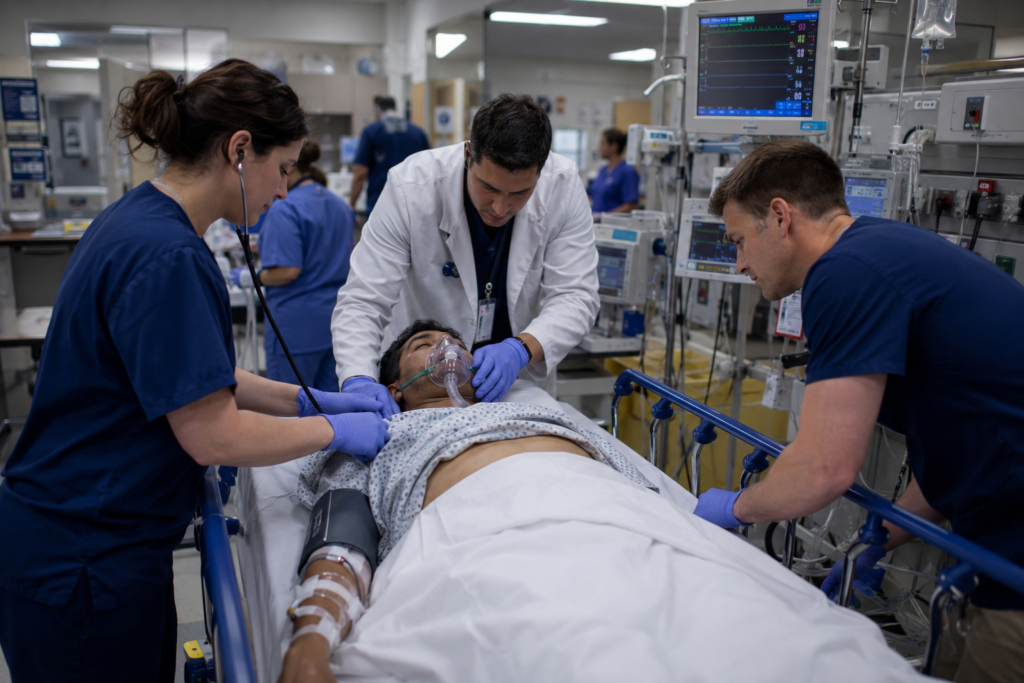
One of the most serious complications associated with undiagnosed or untreated Type 1 diabetes is diabetic ketoacidosis, commonly known as DKA.
It occurs when the body does not have enough insulin to use glucose for energy and begins breaking down large amounts of fat instead. This process produces chemicals called ketones, which can accumulate in the bloodstream and make it dangerously acidic.
DKA can cause nausea, vomiting, abdominal pain, dehydration, weakness, rapid or deep breathing, and breath that may have a fruity smell. As the condition becomes more severe, a person may become confused or have difficulty staying awake. DKA is a medical emergency and requires immediate treatment. Anyone experiencing symptoms that could indicate DKA should seek urgent medical care rather than attempting to manage the condition at home.
How Is Type 1 Diabetes Diagnosed?
Doctors usually diagnose diabetes through blood tests that measure glucose levels. The A1C test is commonly used because it provides an estimate of average blood sugar levels over the previous two to three months. Unlike some glucose tests, it does not require a person to fast beforehand.
A fasting blood glucose test is another option and measures blood sugar after a period without eating. Doctors may also use a random blood glucose test when a person has noticeable symptoms and needs to be evaluated quickly. An oral glucose tolerance test may be used in certain situations, although it is less commonly needed when the symptoms and other test results already clearly indicate diabetes.
Once diabetes has been diagnosed, additional tests may help determine whether it is Type 1. Tests for diabetes-related autoantibodies can provide evidence of an autoimmune reaction, while a C-peptide test can give doctors an indication of how much insulin the pancreas is still producing. Distinguishing Type 1 diabetes from other forms of diabetes is important because treatment depends on the underlying cause.
How Is Type 1 Diabetes Treated?
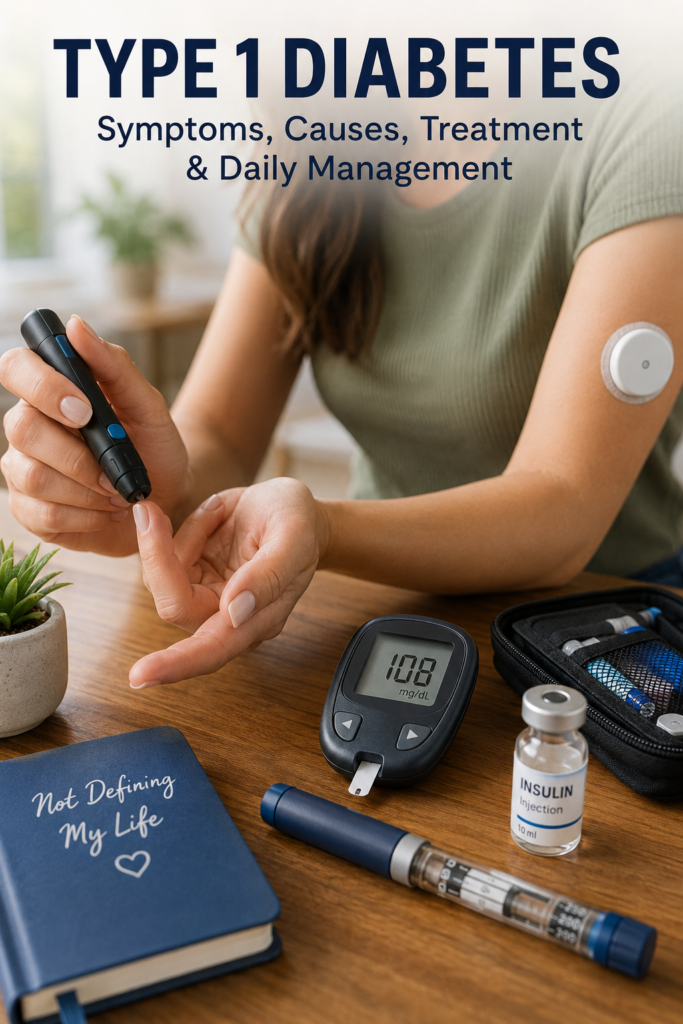
Insulin replacement is the central part of Type 1 diabetes treatment because the body is unable to produce enough insulin on its own. Insulin may be administered using injections, insulin pens, or an insulin pump. Different types of insulin work at different speeds and remain active in the body for different lengths of time, allowing treatment plans to cover both meals and the body’s background insulin needs.
The amount of insulin a person needs can change from day to day. Food, exercise, stress, illness, sleep, and hormonal changes can all influence blood glucose. For this reason, people with Type 1 diabetes generally work closely with their healthcare team to adjust their treatment plan over time. Insulin should never be stopped without medical guidance because people with Type 1 diabetes depend on it to stay alive.
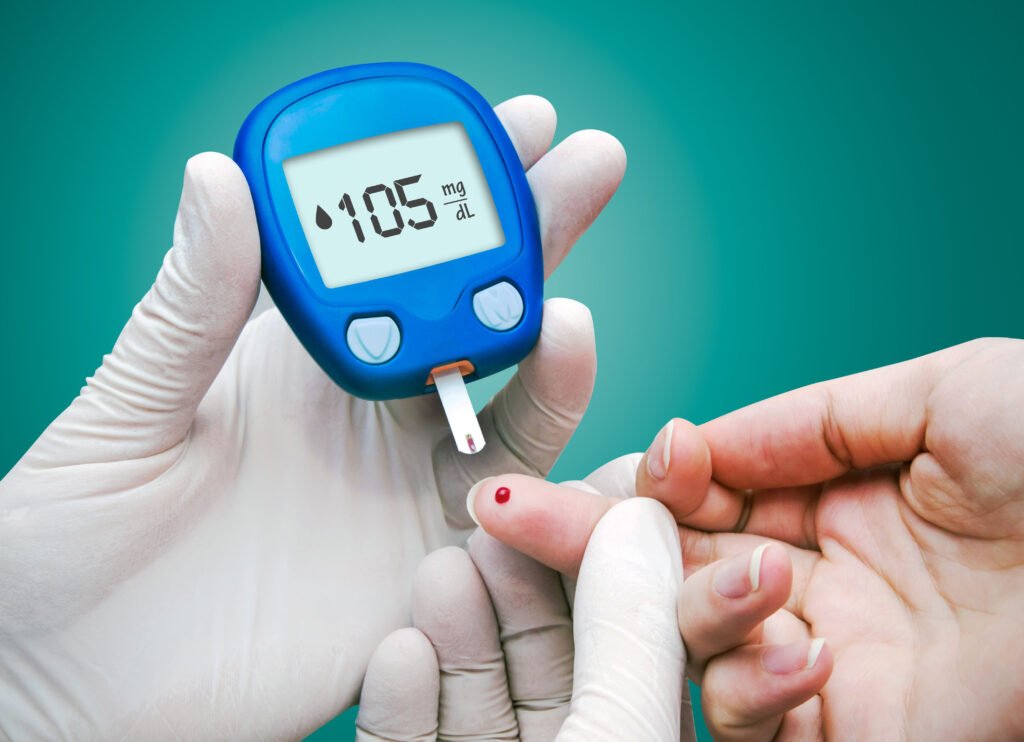
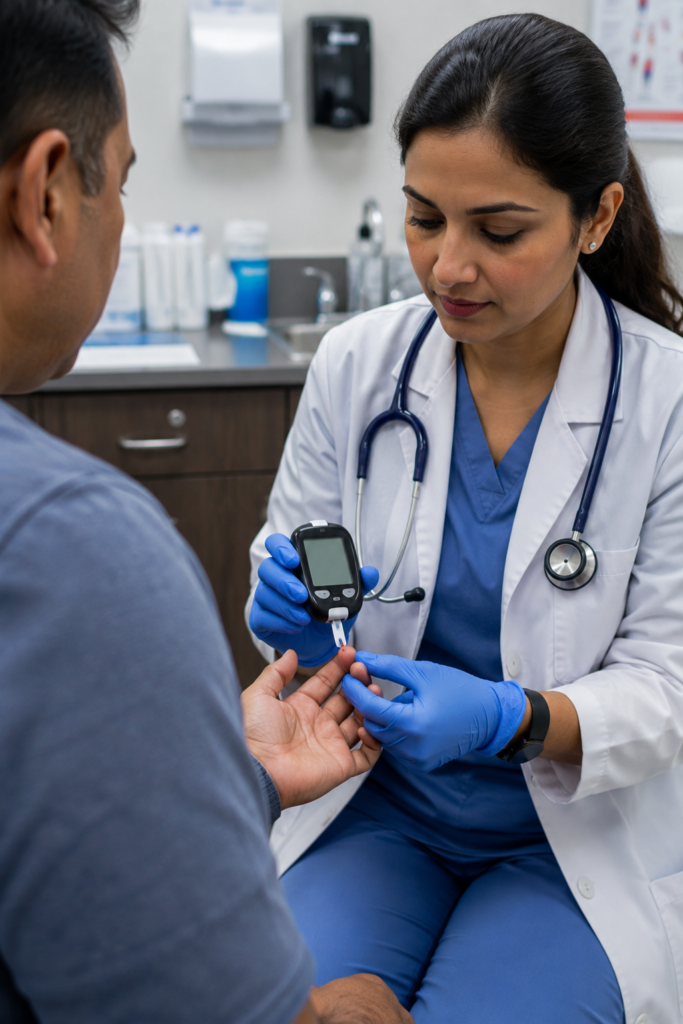
Blood glucose monitoring is another important part of treatment. Traditional glucose meters require a small blood sample, usually obtained with a finger prick. Continuous glucose monitors, often called CGMs, provide another option by measuring glucose levels at regular intervals through a small sensor placed under the skin. These devices can help people recognize patterns and respond more quickly to rising or falling glucose levels.
Diet and Type 1 Diabetes
Living with Type 1 diabetes does not mean that a person has to follow an extremely restrictive diet or completely eliminate favorite foods. Instead, the focus is usually on understanding how different foods affect blood glucose and learning how to balance meals with insulin.
Carbohydrates have the greatest immediate effect on blood sugar, which is why many people with Type 1 diabetes learn carbohydrate counting. This involves estimating the amount of carbohydrate in a meal and using that information to determine an appropriate insulin dose. With experience, people often become more comfortable making these calculations and can enjoy a wide range of foods.
A balanced diet can include vegetables, fruits, whole grains, beans, lean proteins, dairy products, nuts, seeds, and healthy sources of fat. The most suitable eating pattern depends on an individual’s health, lifestyle, medication, and nutritional needs. A registered dietitian or diabetes educator can provide personalized guidance rather than relying on restrictive diets found online.
Exercise and Type 1 Diabetes
Physical activity is beneficial for almost everyone, including people with Type 1 diabetes. Regular exercise can improve cardiovascular fitness, strengthen muscles and bones, support mental well-being, and contribute to overall health. People with diabetes can take part in activities such as walking, cycling, swimming, running, strength training, and competitive sports.
The main difference is that exercise can cause blood glucose to change in unpredictable ways. Physical activity often lowers glucose, but intense exercise can sometimes cause a temporary rise. The effect can also continue for hours after a workout. Monitoring glucose before and after exercise and following an individualized plan for food and insulin can help reduce the risk of unexpected highs or lows.
People who exercise regularly should discuss their routine with their healthcare team, particularly if they are beginning a new type of activity or experiencing frequent changes in glucose during or after exercise.
Long-Term Complications of Type 1 Diabetes
Persistently high blood sugar can gradually damage blood vessels and nerves. Over many years, this can increase the risk of complications involving the eyes, kidneys, nerves, heart, and feet. Diabetes can also contribute to dental and gum problems, particularly when blood glucose remains poorly controlled.
Diabetic eye disease can affect vision, while kidney disease may develop when the small blood vessels responsible for filtering the blood become damaged. Nerve damage can cause numbness, tingling, burning, or pain, especially in the hands and feet. Reduced sensation in the feet can make small injuries harder to notice and allow them to become more serious.
These complications are not inevitable. Good blood glucose management, regular medical appointments, appropriate screening, healthy lifestyle habits, and timely treatment can substantially reduce the risk. This is why diabetes care involves much more than checking blood sugar and taking insulin; routine preventive care is equally important.
Type 1 Diabetes in Children
Type 1 diabetes is frequently diagnosed during childhood, which means parents and caregivers often play a major role in managing the condition. A child may not understand why they suddenly need injections, blood glucose checks, or changes to their daily routine. Parents may also feel anxious about recognizing low blood sugar, handling illness, and keeping their child’s glucose within a safe range.
School can bring additional challenges. Teachers and school staff may need to understand the child’s condition and know what to do if the child’s blood sugar becomes too high or too low. As children grow older, they can gradually take more responsibility for their own diabetes care, but the transition should happen at a pace that matches their maturity and confidence.
Emotional support matters just as much as medical treatment. Children with Type 1 diabetes should be encouraged to take part in normal childhood activities, including sports, birthday parties, school trips, and social events. Diabetes may require planning, but it does not have to become the center of a child’s life.
Living With Type 1 Diabetes
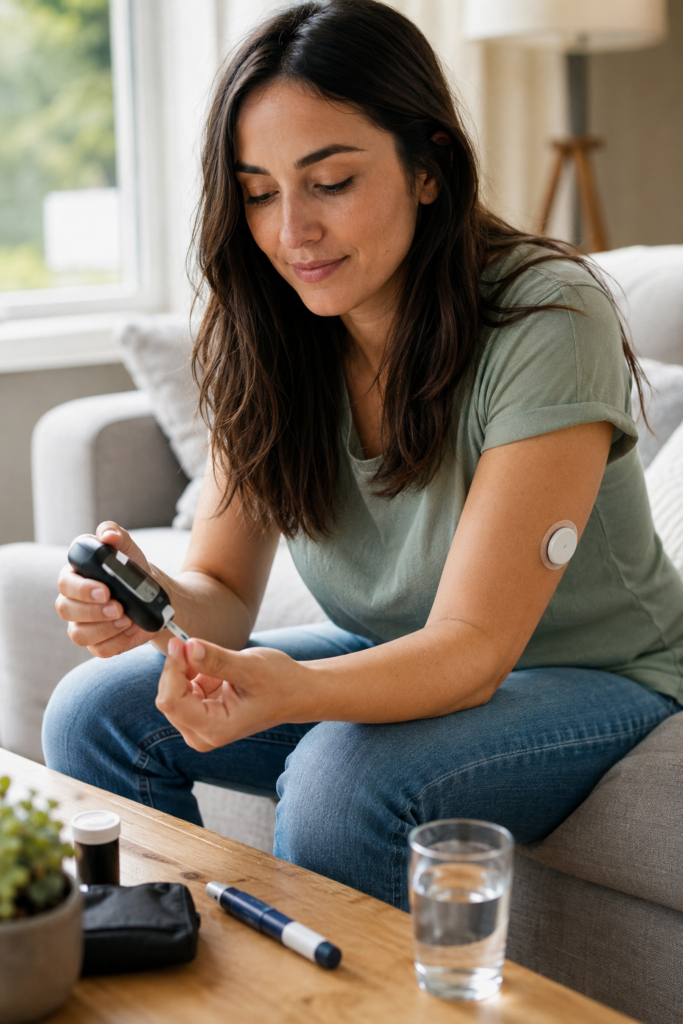
Managing Type 1 diabetes requires attention every day, but people often become more comfortable with it as they learn what works for them. In the beginning, the number of decisions can feel exhausting. Over time, many tasks become part of an ordinary routine rather than something that constantly demands attention.
A typical diabetes routine may include taking insulin, checking glucose, planning meals, staying physically active, and keeping appointments with healthcare professionals. People also need to learn how illness, stress, travel, changes in sleep, and other everyday situations can affect their blood sugar.
Modern technology has made many of these tasks easier. Continuous glucose monitors can provide real-time information about glucose levels, while insulin pumps can deliver insulin throughout the day. Some advanced systems can use information from a CGM to adjust insulin delivery automatically. These technologies are not suitable for everyone, but they have given many people greater flexibility and control.
Perhaps the most important part of living with Type 1 diabetes is learning not to let the condition define you. Diabetes requires management, but it does not determine a person’s intelligence, career, relationships, ambitions, or ability to enjoy life.
Low Blood Sugar and Hypoglycemia
While high blood sugar is a major concern in diabetes, blood glucose can also fall too low. This is known as hypoglycemia and can happen when there is too much insulin compared with the amount of glucose available in the bloodstream. Delaying a meal, exercising more than expected, or drinking alcohol can also contribute to low blood sugar.
Early symptoms may include shaking, sweating, hunger, dizziness, a rapid heartbeat, irritability, and difficulty concentrating. If blood sugar continues to fall, confusion and loss of consciousness can occur. Severe hypoglycemia can be dangerous and requires immediate treatment.
People with Type 1 diabetes should learn to recognize their own symptoms and follow the treatment plan provided by their healthcare professional. Keeping a fast source of glucose nearby is often recommended so that mild hypoglycemia can be treated promptly.
Can Type 1 Diabetes Be Prevented?
At present, there is no guaranteed method for preventing Type 1 diabetes. Researchers are continuing to study the immune system, genetic risk factors, environmental triggers, and treatments that might delay the disease in people who are at high risk.
Although prevention is not currently possible for most people, researchers have made progress in identifying individuals who may be more likely to develop the condition. Earlier identification can provide opportunities for monitoring and, in some cases, treatments intended to delay the progression of the disease.
Is There a Cure for Type 1 Diabetes?
There is currently no routine cure that permanently restores normal insulin production in people with established Type 1 diabetes. Insulin remains essential because the body has lost much of its ability to produce the hormone naturally.
Researchers are exploring several promising approaches, including cell replacement, stem-cell-based treatments, immune therapies, and transplantation. Some developments have produced encouraging results, but they are not yet a simple or widely available cure for everyone with Type 1 diabetes.
People should be especially careful about products advertised online as miracle cures. Claims that Type 1 diabetes can be permanently cured through a particular supplement, diet, or unproven treatment should be discussed with a qualified healthcare professional before anyone changes their medical care.
Frequently Asked Questions About Type 1 Diabetes
What is the main cause of Type 1 diabetes?
Type 1 diabetes develops when the immune system mistakenly attacks and destroys the insulin-producing beta cells in the pancreas. Genetics appear to influence susceptibility, while environmental factors may contribute to triggering the autoimmune process.
Can adults develop Type 1 diabetes?
Yes. Although Type 1 diabetes is often associated with children and teenagers, adults can develop it as well. Some adults are diagnosed with a slower-progressing form of autoimmune diabetes, which can initially look similar to Type 2 diabetes.
Do people with Type 1 diabetes need insulin every day?
Yes. People whose bodies no longer produce sufficient insulin need insulin replacement every day. Insulin may be delivered through injections, pens, or an insulin pump, depending on the person’s treatment plan.
Is Type 1 diabetes hereditary?
Genetics can increase the risk of developing Type 1 diabetes, but having a family member with the condition does not mean that someone will definitely develop it. Many people with Type 1 diabetes have no family history of the disease.
Can someone with Type 1 diabetes live a normal life?
Yes. With appropriate treatment and regular care, people with Type 1 diabetes can live active and fulfilling lives. They can study, work, exercise, travel, have families, and pursue their personal goals while managing their condition.
Can exercise be dangerous for someone with Type 1 diabetes?
Exercise itself is not generally dangerous for people with Type 1 diabetes, but it can cause blood glucose levels to change. Checking glucose and following an individualized plan for insulin, food, and activity can help reduce the risk of hypoglycemia and other problems.
Final Thoughts
Type 1 diabetes is a serious condition, but a diagnosis does not mean that life has to become smaller or less enjoyable. The disease requires daily attention because the body can no longer produce enough insulin, yet modern treatments give people far more options for managing it than were available in the past.
The most important steps are understanding the condition, taking insulin as prescribed, monitoring blood glucose, eating a balanced diet, staying active, and keeping regular medical appointments. It is also important to pay attention to emotional well-being, because living with a chronic condition can sometimes be frustrating or exhausting.
If you or someone in your family develops symptoms such as extreme thirst, frequent urination, unexplained weight loss, severe tiredness, vomiting, or unusual weakness, seek medical evaluation promptly. Type 1 diabetes can develop quickly, and early diagnosis and treatment can prevent serious complications.