
Type 2 diabetes is one of the most common long-term health conditions in the world. Millions of people live with it, and many others have prediabetes without realizing that their blood sugar is already higher than normal. Unlike some illnesses that appear suddenly, type 2 diabetes often develops gradually. A person may feel completely healthy for years before noticing any symptoms.
The good news is that type 2 diabetes can be managed. For many people, changes in eating habits, physical activity, weight management, and medication can make a major difference. Understanding the condition is an important first step because knowing what is happening inside the body makes it easier to make informed decisions about treatment and everyday life.
This guide explains type 2 diabetes in simple language, including what causes it, the symptoms to watch for, how doctors diagnose it, available treatments, possible complications, and what you can do to reduce your risk.
Medical disclaimer: This article is intended for general education and should not replace advice from a qualified healthcare professional. Anyone experiencing symptoms of diabetes or concerned about their blood sugar should speak with a healthcare professional.
What Is Type 2 Diabetes?
Type 2 diabetes is a condition in which the level of glucose, or sugar, in the blood becomes too high. Glucose is an important source of energy for the body. It comes mainly from the food we eat, particularly carbohydrate-containing foods.
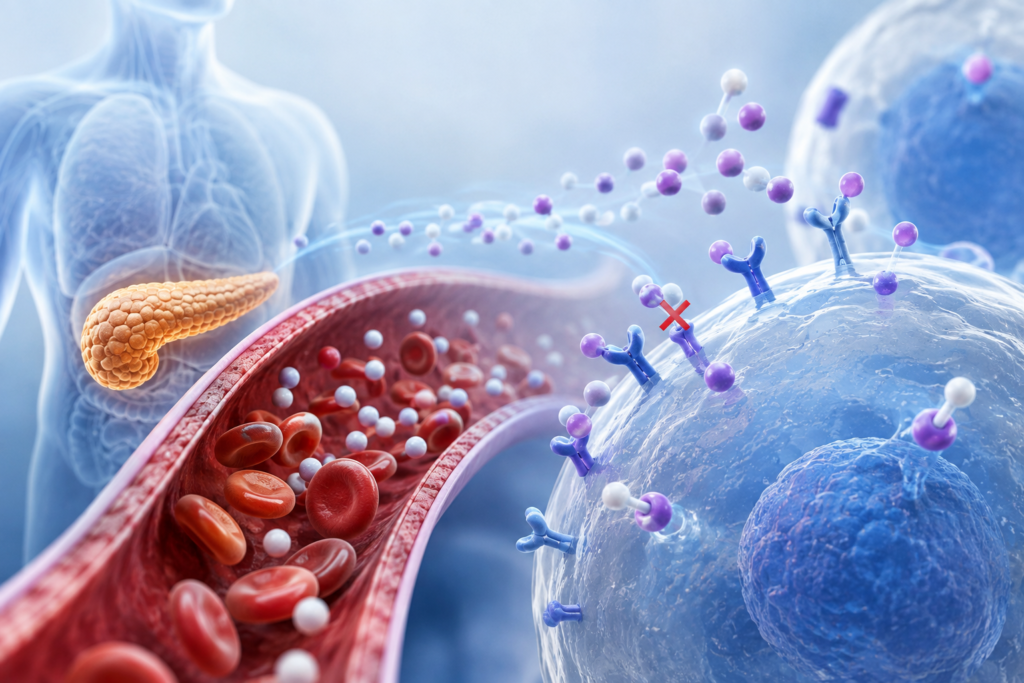
To understand type 2 diabetes, it helps to understand insulin. Insulin is a hormone produced by the pancreas. After we eat, carbohydrates are broken down into glucose and enter the bloodstream. Insulin helps glucose move from the blood into the body’s cells, where it can be used for energy.
In type 2 diabetes, the body gradually becomes less sensitive to insulin. This is called insulin resistance. At first, the pancreas may produce more insulin to compensate. For a while, this can keep blood glucose at relatively normal levels. Eventually, however, the pancreas may no longer be able to produce enough insulin to overcome the body’s resistance. As a result, glucose begins to build up in the bloodstream.
Type 2 diabetes is different from type 1 diabetes. In type 1 diabetes, the immune system attacks the cells in the pancreas that produce insulin, resulting in little or no insulin production. Type 2 diabetes is primarily associated with insulin resistance and a gradual decline in insulin production. Although type 2 diabetes is more common in adults, it can also develop in teenagers and younger people.
What Causes Type 2 Diabetes?
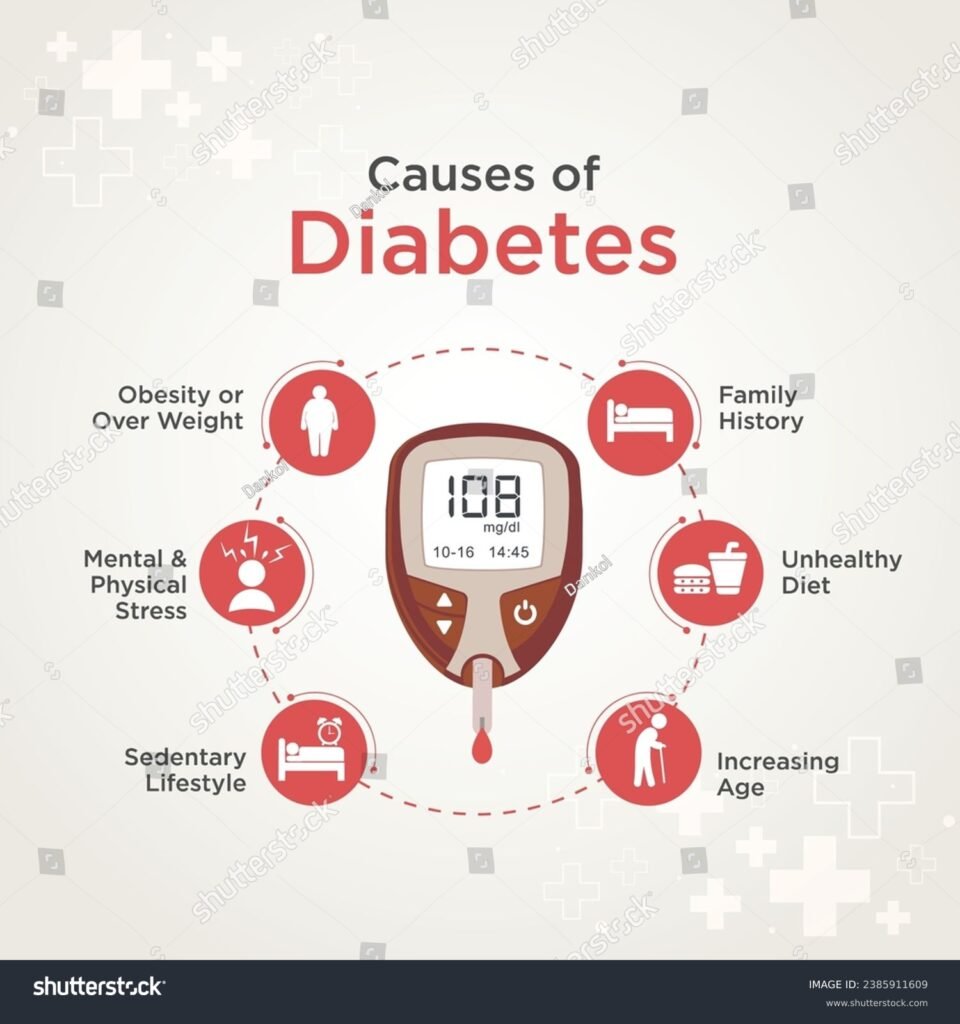
There is no single cause of type 2 diabetes. It usually develops because several factors work together. Genetics, family history, body weight, physical activity, age, and other health conditions can all influence a person’s risk.
- One of the main processes involved is insulin resistance. When the body’s cells stop responding normally to insulin, the pancreas has to work harder to keep blood glucose under control. Over time, this increased demand can place considerable stress on the insulin-producing cells.
- Body fat can also play a role. Having excess body fat, particularly around the abdomen, is associated with a greater risk of insulin resistance. However, it is important not to assume that type 2 diabetes only affects people who are overweight. People with a healthy body weight can also develop the condition.
- Genetics are another important piece of the puzzle. A person who has a close family member with type 2 diabetes may have a higher risk of developing it themselves. This does not mean diabetes is inevitable. It simply means that genetic factors may make some people more susceptible.
- A lack of regular physical activity can also increase the risk. Muscles use glucose for energy, and regular physical activity can improve the body’s sensitivity to insulin. Spending most of the day sitting and getting very little exercise may contribute to insulin resistance over time.
- Age is another risk factor. The likelihood of developing type 2 diabetes generally increases as people get older, although the condition can occur at any age.
- Other factors can increase risk as well, including high blood pressure, abnormal cholesterol levels, prediabetes, a history of gestational diabetes, and certain medical conditions such as polycystic ovary syndrome.

Symptoms of Type 2 Diabetes
One of the most difficult things about type 2 diabetes is that it may not cause obvious symptoms in the beginning. Blood glucose can remain elevated for a long time without making a person feel seriously ill.
When symptoms do appear, they may develop slowly and can easily be mistaken for ordinary tiredness or other everyday problems.
- Increased thirst and frequent urination are two common symptoms. When blood glucose becomes too high, the kidneys attempt to remove some of the excess glucose through urine. This can cause a person to urinate more frequently and lose additional fluid, which can then lead to increased thirst.
- Some people experience unusual tiredness or a lack of energy.
- Others may notice blurred vision, increased hunger, or unexplained weight loss.
- Cuts and other wounds may also take longer to heal.
- High blood glucose over time can affect nerves, leading to tingling, burning, or numbness in the hands and feet.
- Recurrent infections may also occur in some people.
Because symptoms can be mild or absent, screening is particularly important for people who have risk factors for type 2 diabetes.

How Is Type 2 Diabetes Diagnosed?
The only reliable way to know whether you have diabetes is through appropriate blood testing. Doctors use several different tests to measure blood glucose and determine whether it falls within the diabetic range.
- One commonly used test is the A1C test. Instead of measuring blood sugar at one specific moment, the A1C test provides an estimate of average blood glucose levels over approximately the previous two to three months. An A1C level of 6.5% or higher is within the diabetes range. When a person does not have obvious symptoms of severe hyperglycemia, doctors generally confirm an abnormal result with repeat testing or another appropriate diabetes test.
- Another option is a fasting blood glucose test. This test measures blood glucose after a period of fasting. A fasting glucose level of 126 mg/dL (7.0 mmol/L) or higher falls within the diabetes range.
- Doctors can also use an oral glucose tolerance test. In this test, blood glucose is measured after fasting and again after the person drinks a glucose-containing beverage. A two-hour glucose level of 200 mg/dL (11.1 mmol/L) or higher is within the diabetes range.
The appropriate test depends on the individual and the clinical situation. If you have symptoms or risk factors, your healthcare professional can determine which test is most appropriate.
What Is Prediabetes?
Prediabetes occurs when blood glucose is higher than normal but has not yet reached the level used to diagnose diabetes.
It is important to take prediabetes seriously. Although it does not necessarily mean that someone will develop type 2 diabetes, it indicates an increased risk.
For many people, prediabetes provides an opportunity to make changes before diabetes develops. Improving eating habits, becoming more physically active, managing weight when appropriate, and following medical advice can help reduce the risk of progression.
People with prediabetes should also have their blood glucose monitored according to their healthcare professional’s recommendations.
How Is Type 2 Diabetes Treated?
There is no single treatment plan that works for everyone with type 2 diabetes. Treatment is usually personalized according to blood glucose levels, age, weight, other medical conditions, medications, lifestyle, kidney and heart health, and personal preferences.
For some people, lifestyle changes may make a significant difference. Others need medication from the beginning, while some eventually require several medications or insulin.
The goal is not simply to produce a normal blood sugar reading. Good diabetes care also focuses on protecting the heart, kidneys, eyes, nerves, and blood vessels.
Healthy Eating
Food has a direct effect on blood glucose, which makes eating habits an important part of diabetes management. A healthy diabetes-friendly diet does not mean that a person has to stop eating carbohydrates completely. Carbohydrates are found in many nutritious foods, including fruits, vegetables, beans, lentils, whole grains, and dairy products.
The focus should instead be on the quality and quantity of carbohydrates and on building balanced meals.
Vegetables, high-fiber foods, lean sources of protein, nuts, seeds, and minimally processed foods can all have a place in a healthy eating pattern. Foods and drinks containing large amounts of added sugar, such as sugary sodas, sweets, and many highly processed snacks, are generally best limited.
Portion sizes matter too. Even nutritious foods can raise blood glucose when consumed in very large amounts.
There is no universal diabetes meal plan. A registered dietitian or healthcare professional can help create an eating pattern that fits your health needs, culture, budget, and lifestyle.

Physical Activity
Exercise can make a noticeable difference in how the body handles glucose. When muscles are active, they use glucose for energy. Regular physical activity can also improve insulin sensitivity.
Walking is a simple starting point for many people. Other options include cycling, swimming, dancing, jogging, or strength training.
The most important thing is consistency. Someone who enjoys a 30-minute walk several times a week is more likely to maintain that habit than someone who starts an extremely demanding exercise program and quickly gives up.
People who have been inactive for a long time or have other medical conditions should ask their healthcare professional about an appropriate exercise plan.

Weight Management
For people with overweight or obesity, losing weight can improve insulin sensitivity and blood glucose control. Even relatively modest weight loss may provide health benefits.
However, weight should not be viewed as the only measure of health. Not everyone with type 2 diabetes needs to lose weight, and people can develop diabetes even when they are not overweight.
The goal should be a healthy and sustainable approach rather than extreme dieting.
Diabetes Medications
Many people with type 2 diabetes use medication to help control their blood glucose.
Metformin is one of the most commonly prescribed medications for type 2 diabetes. It helps reduce liver glucose production and improves the body’s response to insulin.
Other medications include SGLT2 inhibitors, GLP-1 receptor agonists, DPP-4 inhibitors, sulfonylureas, thiazolidinediones, and other treatments.
In recent years, medications that act on GLP-1 pathways have received considerable attention because some can lower blood glucose while also helping with weight management. Certain medications in this group, including SGLT2 inhibitors, can also provide important cardiovascular or kidney benefits for appropriate patients.
The best medication depends on the individual. A medicine that works well for one person may not be appropriate for another, so diabetes medications should only be started, stopped, or changed under medical guidance.
Insulin
Although insulin is strongly associated with type 1 diabetes, some people with type 2 diabetes also need insulin.
The pancreas can gradually lose its ability to produce enough insulin as type 2 diabetes progresses. In other cases, blood glucose may become very high, and insulin may be necessary to bring it under control.
Needing insulin does not mean that someone has failed to manage their diabetes. It simply means that their body needs additional insulin to maintain a safe blood glucose level.
Monitoring Blood Sugar
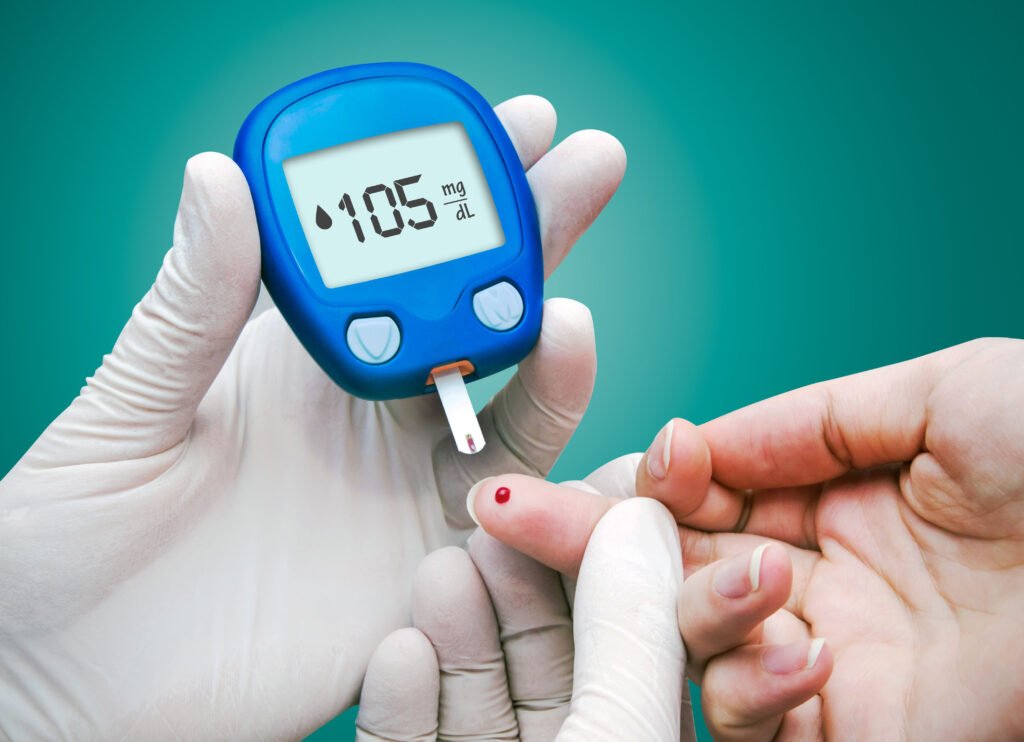
Some people with type 2 diabetes check their blood glucose regularly at home, while others may not need frequent testing. The need for monitoring depends largely on the treatment plan.
People using insulin or medications that can cause low blood sugar may need to monitor their glucose more frequently.
The A1C test is also important because it provides a longer-term picture of blood glucose control. How often it should be checked depends on the person’s treatment and whether their blood glucose is at their target.
Continuous glucose monitors are another option for some people. These devices measure glucose levels through a small sensor and can provide information about glucose patterns throughout the day.
Your healthcare professional can determine whether home glucose monitoring or continuous glucose monitoring would be useful for you.
Complications of Type 2 Diabetes
Uncontrolled high blood glucose can gradually damage blood vessels and nerves. This is why diabetes is more than simply a problem with blood sugar.
Over time, type 2 diabetes can increase the risk of heart disease and stroke. High blood pressure and unhealthy cholesterol levels can further increase cardiovascular risk.
Diabetes can also damage the kidneys. Early kidney disease may not cause noticeable symptoms, which is why people with diabetes often need regular kidney function and urine testing.
The eyes can also be affected. High blood glucose can damage the small blood vessels in the retina and contribute to diabetic eye disease. Regular eye examinations can help detect problems before they cause significant vision loss.
Nerve damage, known as diabetic neuropathy, may cause pain, burning, tingling, or numbness, particularly in the feet. Reduced sensation can be dangerous because a person may not notice a blister, cut, or other injury.
For this reason, people with diabetes should take foot care seriously. Checking the feet regularly and seeking medical attention for wounds or infections can help prevent more serious problems. Diabetes can also affect oral health and increase the risk of gum disease.

Can Type 2 Diabetes Be Reversed?
You may hear people say that type 2 diabetes can be “reversed.” The more accurate medical term is remission. Some people with type 2 diabetes can achieve remission, meaning their blood glucose returns below the diabetes range without glucose-lowering medication for a sustained period.
Significant weight loss can sometimes lead to remission, particularly when it occurs relatively early in the course of the disease. Metabolic surgery can also produce remission in some people.
However, remission should not be considered a permanent cure. Diabetes can return if circumstances change, including significant weight regain. Even people in remission should continue to have appropriate medical monitoring.
Can Type 2 Diabetes Be Prevented?
Type 2 diabetes cannot always be prevented because some risk factors, such as genetics and age, cannot be changed. However, many risk factors can be addressed.
Regular physical activity, a nutritious eating pattern, maintaining a healthy weight, and avoiding excessive intake of sugary drinks and highly processed foods can all support metabolic health.
People with prediabetes may benefit particularly from lifestyle intervention. In some high-risk individuals, doctors may also consider medication such as metformin to reduce the likelihood of progressing to type 2 diabetes.
Prevention is not about being perfect. Small changes that can be maintained for years are generally more useful than extreme changes that last only a few weeks.
Living With Type 2 Diabetes
Being diagnosed with type 2 diabetes can initially feel overwhelming. There may be new medications to learn about, changes to eating habits, blood tests to understand, and appointments to attend. However, diabetes does not mean that life has to stop.
Many people with type 2 diabetes continue to work, travel, exercise, enjoy meals with their families, and live active lives. The key is learning how your body responds to food, activity, medication, sleep, stress, and other factors.
It is also important not to become discouraged by an occasional high blood sugar reading. Diabetes management is a long-term process, and your treatment plan may need to change over time.
If your blood glucose is repeatedly above your target, instead of simply blaming yourself, talk with your healthcare team. There may be a medication issue, dietary factor, illness, stress, or another reason that needs attention.
When Should You See a Doctor?
If you notice symptoms such as excessive thirst, frequent urination, unexplained weight loss, persistent fatigue, blurred vision, or slow-healing wounds, it is worth speaking with a healthcare professional.
You should also discuss diabetes screening if you have significant risk factors, such as a family history of type 2 diabetes, previous gestational diabetes, prediabetes, high blood pressure, or other conditions associated with increased diabetes risk.
Early diagnosis can make a significant difference, as treatment can begin before high blood glucose levels cause extensive damage.
Final Thoughts
Type 2 diabetes is a serious condition, but it is also a condition that can be managed. Understanding what is happening inside the body can make the diagnosis less frightening and help people take practical steps toward better health.
The most effective approach usually combines several elements rather than relying on a single solution. A balanced eating pattern, regular physical activity, appropriate weight management, prescribed medication, and regular medical checkups all play a role.
Perhaps most importantly, type 2 diabetes should not be viewed as a personal failure. Genetics, age, metabolism, medications, environment, and many other factors can influence a person’s risk. Instead of focusing on blame, the focus should be on what can be changed from this point forward.
If you have type 2 diabetes or have been told that you have prediabetes, speak with your healthcare team about your individual risk and treatment options. With the right support and a consistent approach, it is possible to manage diabetes while continuing to live a full and active life.
Sources:
- American Diabetes Association, Standards of Care in Diabetes—2026; National Institute of Diabetes and Digestive and Kidney Diseases (NIDDK).
- World Health Organization