
Diabetes is a long-term health condition that affects the way the body regulates blood glucose, commonly called blood sugar. Glucose is an important source of energy for the body’s cells, but it needs the hormone insulin to move efficiently from the bloodstream into many cells.
This condition develops when the body does not produce enough insulin, does not use insulin effectively, or has another condition that interferes with normal glucose regulation. As a result, glucose can build up in the bloodstream instead of being properly used by the body’s cells. Persistently high blood glucose can damage blood vessels and organs over time.
This disease is a major global health concern, but it is not one single disease. The main categories include type 1 diabetes, type 2 diabetes, gestational diabetes, and other specific forms caused by genetic conditions, pancreatic diseases, medications, or other factors.
Some forms of diabetes cannot currently be prevented, while others can often be delayed or prevented in people at increased risk. Early diagnosis and appropriate management can also reduce the risk of long-term complications.
This complete guide explains what diabetes is, how insulin works, the different types, common symptoms and causes, how diabetes is diagnosed, treatment options, prevention strategies, and practical steps for living well with diabetes.
Key Takeaways
- Diabetes occurs when blood glucose becomes too high because insulin production or insulin action is impaired.
- Type 1 diabetes is an autoimmune disease that destroys insulin-producing pancreatic beta cells.
- Type 2 diabetes usually involves insulin resistance combined with an inability of the pancreas to produce enough insulin to compensate.
- Gestational diabetes develops during pregnancy and can increase the mother’s future risk of type 2 diabetes.
- Diabetes can occur at any age. Type 1 is not exclusively a childhood condition, and type 2 is not exclusively an adult condition.
- Common symptoms include increased thirst, frequent urination, fatigue, blurred vision, increased hunger, and unexplained weight loss, although many people have no symptoms.
- Diabetes is diagnosed using blood tests such as A1C, fasting plasma glucose, and oral glucose tolerance testing.
- Type 2 diabetes can often be prevented or delayed in people at increased risk.
- Diabetes management involves more than blood glucose alone; blood pressure, cholesterol, lifestyle, medications, and regular healthcare also matter.
What is Diabetes
“The condition is a long-term health condition in which the body cannot properly regulate blood sugar levels because it either does not produce enough insulin or cannot use insulin effectively. This causes glucose to build up in the bloodstream instead of being used by the body’s cells for energy.”
Diabetes mellitus is a group of metabolic disorders characterized by elevated blood glucose. Normally, the body carefully regulates glucose levels. After food is digested, glucose enters the bloodstream. The pancreas produces insulin in response to rising blood glucose. Insulin helps glucose enter cells, where it can be used for energy. When this system is disrupted, glucose remains in the bloodstream and blood sugar rises.
The specific reason depends on the type of diabetes. In type 1 diabetes, the immune system attacks insulin-producing beta cells. In type 2 diabetes, the body usually develops insulin resistance and eventually cannot produce enough insulin to overcome it. Gestational diabetes occurs when pregnancy-related changes in insulin sensitivity cannot be adequately compensated for by insulin production.
Diabetes is generally a chronic condition requiring ongoing care, although gestational diabetes may improve after pregnancy.
How Does Insulin Regulate Blood Sugar?
Insulin is a hormone produced by specialized beta cells in the pancreas.
Think of insulin as part of the body’s glucose-management system. After a meal, carbohydrates are broken down into glucose and absorbed into the bloodstream. Rising blood glucose signals the pancreas to release insulin. Insulin then helps the body use and store glucose. It promotes glucose uptake into certain tissues and helps regulate how the liver stores and releases glucose.
When insulin is missing or does not work effectively, glucose has difficulty moving into cells and remains elevated in the bloodstream. Over time, persistent high blood glucose can contribute to damage involving blood vessels, nerves, kidneys, eyes, and the cardiovascular system.
This basic process explains why insulin is central to diabetes—but the underlying problem differs considerably between diabetes types.
What Are the Main Types of Diabetes?
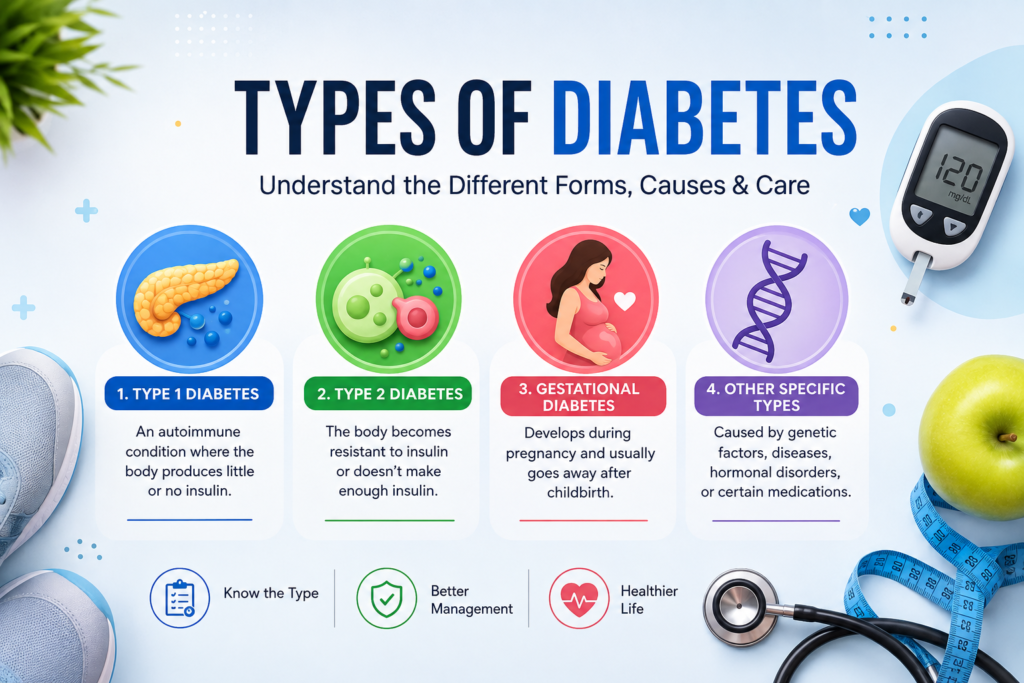
This chronic disease is classified into several types, primarily type 1, type 2, and gestational diabetes, and several less common forms, all involving issues with insulin production or use.
The common types of Diabetes Mellitus are
- Diabetes Mellitus Type 1 (T1D)
- Diabetes Mellitus Type 2 (T2D)
- Gestational Diabetes
Other specific forms include monogenic diabetes, diabetes associated with diseases of the exocrine pancreas, and diabetes caused by certain drugs or chemicals. Let’s go through these types of diabetes in detail.
Type 1 Diabetes(T1D)
Type 1 diabetes (T1D) is an autoimmune condition in which the body’s immune system mistakenly attacks and destroys the insulin-producing beta cells in the pancreas.
As the beta cells are gradually destroyed, the body produces little or no insulin, causing blood glucose levels to rise. People with T1D therefore need daily insulin therapy to manage their blood sugar and stay healthy. Unfortunately, this damage is permanent and cannot be reversed.
The exact cause of this immune attack is still unknown. Researchers believe it may result from a combination of genetic susceptibility and environmental triggers such as certain viral infections that may activate the immune response. Type 1 diabetes is not caused by lifestyle factors such as diet, exercise, or other personal habits.
What Causes Type 1 Diabetes?
The exact cause of type 1 diabetes is not completely understood. Researchers believe it develops through a combination of genetic susceptibility and environmental factors. Certain environmental exposures, including some infections, have been investigated as possible triggers in genetically susceptible individuals.
Importantly, type 1 diabetes is not caused by eating too much sugar, being physically inactive, or making poor lifestyle choices. It is also incorrect to think of type 1 diabetes as exclusively a childhood disease. It can develop at any age, including adulthood.
Symptoms of Type 1 Diabetes
Symptoms can appear relatively quickly and may include:
- Frequent urination
- Excessive thirst
- Increased hunger
- Unexplained weight loss
- Extreme tiredness
- Blurred vision
- Irritability or mood changes
- Nausea or vomiting in severe cases
Because insulin deficiency can become severe, some people are diagnosed after developing diabetic ketoacidosis (DKA). DKA is a serious metabolic emergency associated with severe insulin deficiency. Warning signs can include vomiting, abdominal pain, dehydration, and abnormal breathing. Anyone experiencing symptoms suggestive of DKA needs urgent medical evaluation.
How Is Type 1 Diabetes Treated?
Insulin replacement is the foundation of type 1 diabetes treatment. Insulin may be delivered through:
- Injections
- Insulin pens
- Insulin pumps
- Automated insulin-delivery systems
People with type 1 diabetes also need ongoing glucose monitoring, individualized insulin adjustment, nutrition education, and guidance on managing physical activity and illness. There is currently no established lifestyle-based method that prevents type 1 diabetes in the general population.
Type 2 Diabetes (T2D)
Type 2 Diabetes, or T2D, is a long-term metabolic condition that messes with the body’s ability to keep blood glucose (blood sugar) in check.
It can sneak in quietly, starting when cells become less responsive to insulin, the hormone the pancreas produces, or when the pancreas simply can’t keep up with the body’s insulin demands. As a consequence, glucose lingers in the blood instead of slipping into the cells where it would normally fuel energy.
Type 2 diabetes accounts for roughly 90-95 percent of all cases worldwide. The disease shows up more often in adults. But an increasing number of kids and teens are being diagnosed, spurred by rising obesity, less exercise and more junk food.
It’s a different beast than Type 1, which fires when the body attacks its own insulin-producing cells. Type 2, on the other hand, builds up slowly over many years. In the early stages most people feel nothing at all – so check-ups are crucial for spotting it before symptoms appear.
What Causes Type 2 Diabetes?
Type 2 diabetes has no single cause. It results from a combination of genetic, metabolic, environmental, and lifestyle-related factors.
Risk factors include:
- Overweight or obesity
- A larger waist circumference
- Physical inactivity
- Family history of diabetes
- Increasing age
- Previous gestational diabetes
- Prediabetes
- Certain health conditions
- Genetic susceptibility
Polycystic ovary syndrome (PCOS) is also associated with an increased risk of insulin resistance and type 2 diabetes.
Diet can influence diabetes risk, particularly dietary patterns high in excess calories and highly processed foods. However, it is misleading to say that type 2 diabetes is simply caused by eating sugar. Genetics, body composition, physical activity, age, and other factors all contribute.
Symptoms of Type 2 Diabetes
Type 2 diabetes often develops slowly—sometimes over several years.
Symptoms may include:
- Increased thirst
- Frequent urination
- Increased hunger
- Fatigue
- Blurred vision
- Unexplained weight loss
- Slow-healing sores
- Frequent infections
- Numbness or tingling in the hands or feet
Some people have no noticeable symptoms at all. In fact, type 2 diabetes may be discovered during routine blood testing or after a person develops a diabetes-related health problem.
How Is Type 2 Diabetes Treated?
Treatment is individualized.
Depending on the person’s health and blood glucose levels, management may include:
- Healthy eating
- Regular physical activity
- Weight management when appropriate
- Diabetes education
- Oral diabetes medications
- Injectable medications
- Insulin
- Blood glucose monitoring
Treatment goals can change over time. Some people manage type 2 diabetes without insulin, while others eventually need insulin as pancreatic insulin production declines.
Needing medication does not mean someone has failed. Diabetes is a medical condition, and treatment should be adjusted as the disease changes.
Gestational Diabetes
Gestational diabetes mellitus (GDM) develops during pregnancy when blood glucose rises to levels that meet diagnostic criteria for diabetes but the person did not clearly have overt diabetes before pregnancy.
Gestational diabetes starts during pregnancy. It appears in women who have never had diabetes before. When the body can’t produce enough insulin to meet the heightened demands of carrying a baby, blood sugar levels climb.
The placenta produces hormones that support pregnancy and fetal development. Those same hormones make insulin less effective, a condition called insulin resistance. Most pregnant women ramp up insulin production to compensate. Some can’t keep up. So when insulin falls short, glucose rises, and gestational diabetes develops.
When Does Gestational Diabetes Develop?
Gestational diabetes usually shows up between the 24th and 28th weeks of pregnancy. It often clears up after delivery. Yet, women who’ve had it face a higher chance of developing Type 2 Diabetes later in life. Their children may have an increased risk of obesity and type 2 diabetes as they grow older. When it’s caught early, treated properly, and the mother follows regular prenatal care, most women still enjoy a healthy pregnancy and deliver healthy babies.
Symptoms of Gestational Diabetes
Many people with gestational diabetes have no obvious symptoms.
When symptoms occur, they may include:
- Increased thirst
- Frequent urination
- Fatigue
- Blurred vision
These symptoms can overlap with normal pregnancy changes, which is why testing is important rather than relying on symptoms alone.
Who Is at Higher Risk?
Risk can be higher in people with factors such as:
- Previous gestational diabetes
- Family history of diabetes
- Overweight or obesity
- Previous large-for-gestational-age infant
- Certain metabolic conditions
- PCOS
Having a risk factor does not mean someone will definitely develop gestational diabetes.
What Happens After Pregnancy?
Gestational diabetes often improves after delivery, but it is important not to treat the end of pregnancy as the end of diabetes risk.
People who have had gestational diabetes have a higher future risk of developing type 2 diabetes and should receive appropriate follow-up testing and preventive care.
Other Specific Types of Diabetes
Not all diabetes is type 1, type 2, or gestational diabetes. The American Diabetes Association also recognizes diabetes caused by specific underlying conditions, including:
- Monogenic diabetes
- Diseases of the exocrine pancreas
- Certain genetic syndromes
- Drug- or chemical-induced diabetes
- Other medical conditions affecting glucose regulation
One example is monogenic diabetes, which results from a change in a single gene. MODY, or maturity-onset diabetes of the young, is one form.
Diabetes associated with pancreatic disease can occur when conditions affecting the pancreas interfere with insulin production.
Correct classification matters because treatment can differ significantly depending on the underlying cause.
What causes this condition?
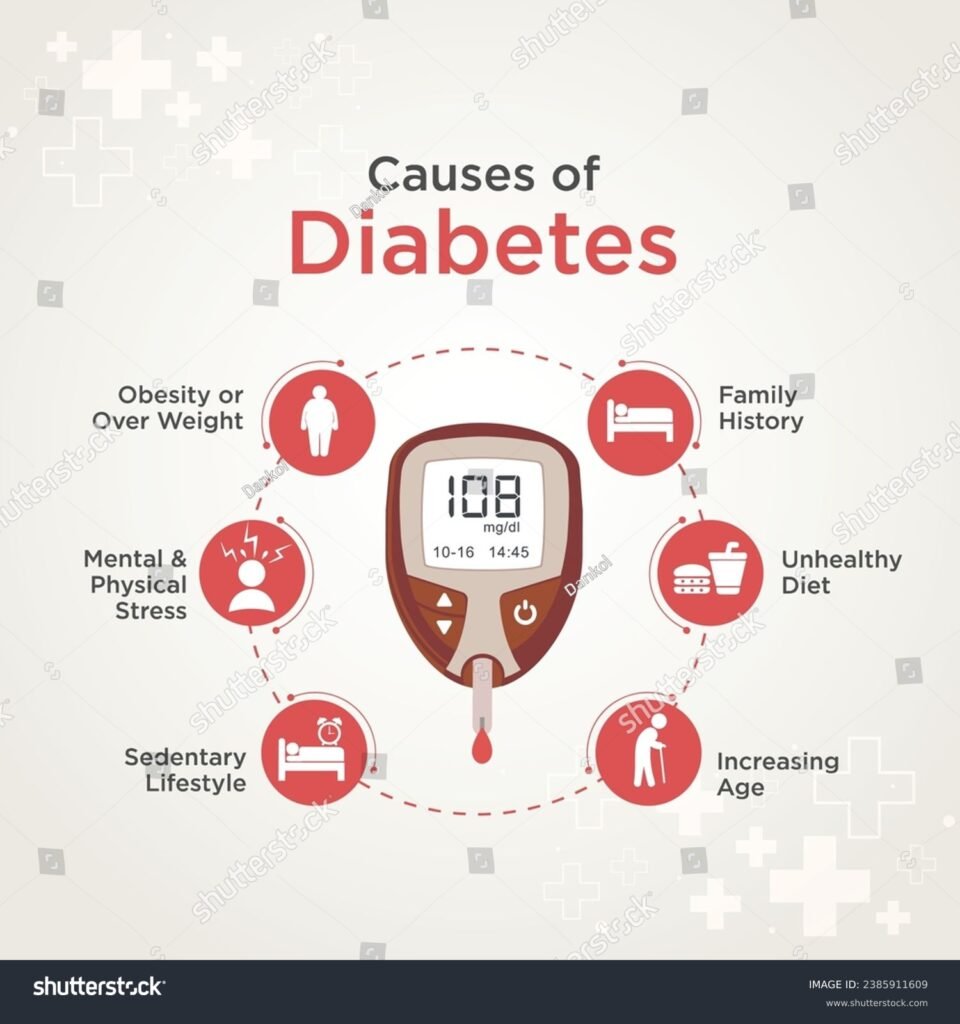
Diabetes has many forms. The exact cause depends on the type.
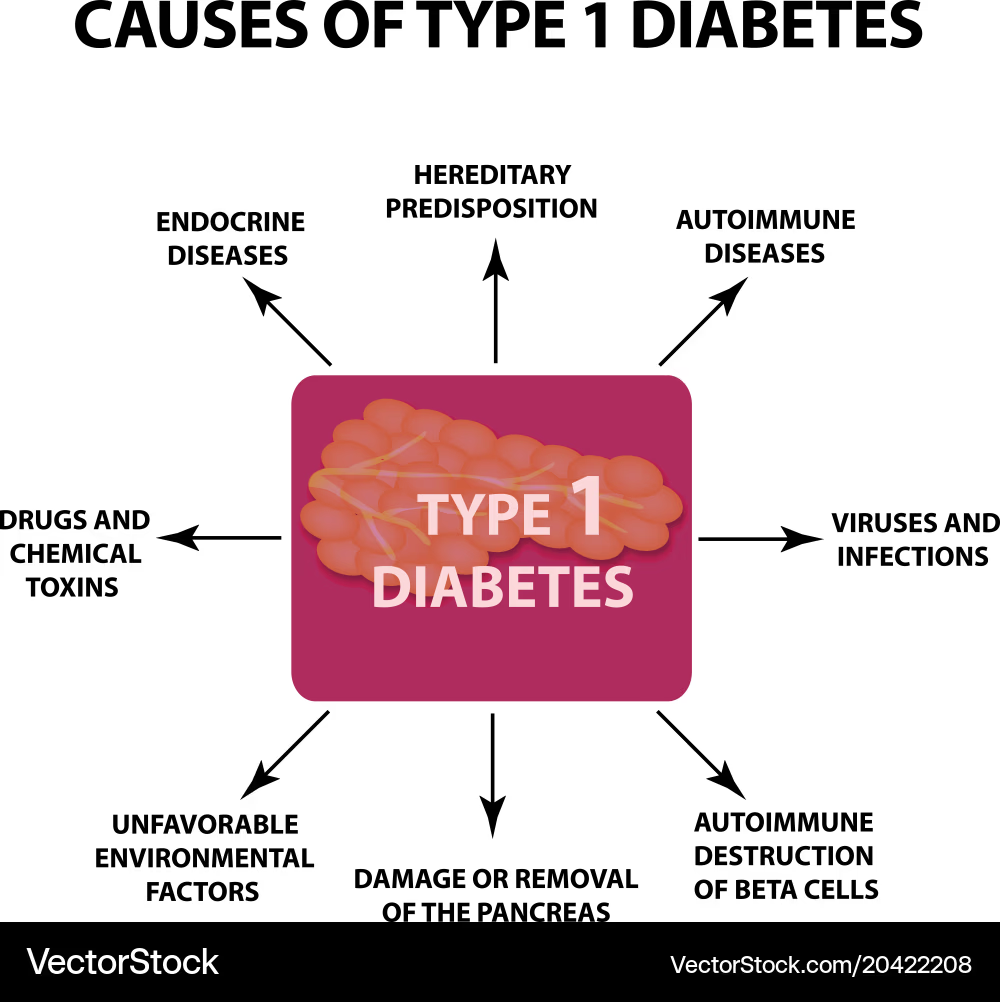
Causes of T1D
T1D is an autoimmune disease. In this condition, the immune system mistakenly attacks the insulin-producing beta cells in the pancreas. These cells are destroyed, so the body produces little or no insulin. Type 1 diabetes results from autoimmune destruction of pancreatic beta cells. Genetic susceptibility appears to play a role, while environmental factors may influence whether the autoimmune process develops.
Researchers don’t know the precise trigger, but they think a mix of genetic factors and environmental cues, such as some viral infections, set it off. Unlike Type 2, Type 1 has nothing to do with diet, inactivity, or lifestyle choices. Lifestyle choices do not cause type 1 diabetes.
Causes of T2D
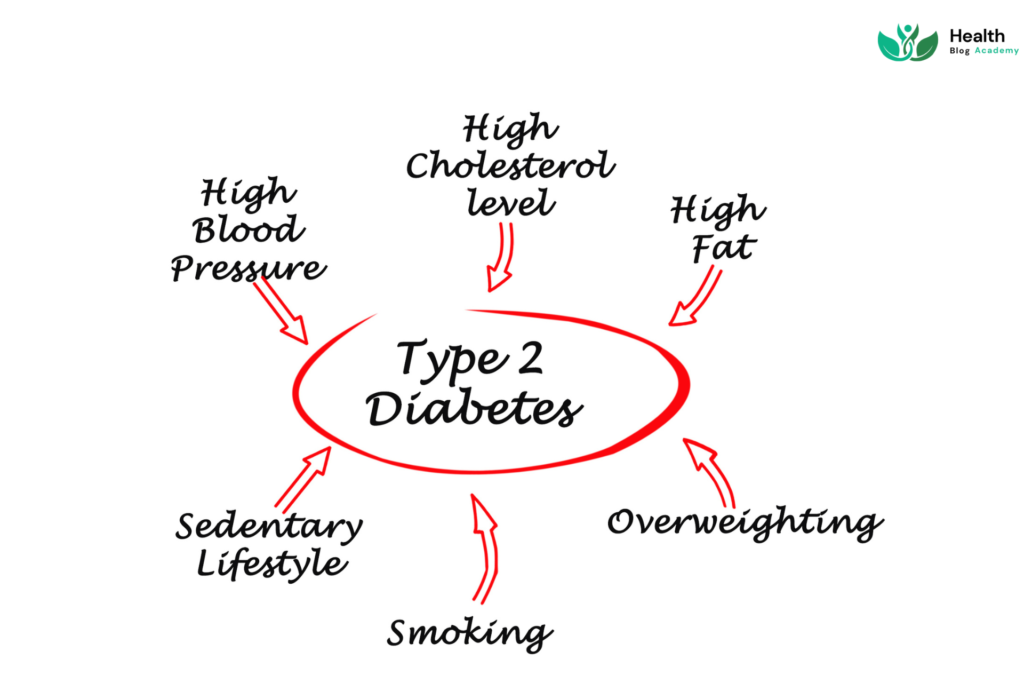
T2D starts when cells in the body refuse to respond to insulin. The pancreas tries to fix the problem by pumping out more insulin. Over time, it can’t keep up, and sugar builds up in the blood.
What pushes this process along?
- Weight, especially belly fat, is a big one.
- Not moving enough can do the same.
- What you eat matters too: lots of processed foods and added sugars hurt.
- A family history of diabetes raises the odds.
- Growing older adds to the risk.
- High blood pressure or bad cholesterol levels can push you toward it.
- Having prediabetes is a warning sign.
- Even conditions like polycystic ovary syndrome can make it more likely.
- Lifestyle steps help, but your genes also play a big part.
Causes of Gestational Diabetes
Gestational diabetes shows up during pregnancy when hormones make the body less responsive to insulin. The placenta releases hormones that help the baby grow, but they also make insulin less effective.
Most pregnant women crank out extra insulin to beat this natural resistance. But if the pancreas can’t keep up, blood sugar climbs, and gestational diabetes starts. Women who are obese, have a family history of diabetes, had gestational diabetes before, or suffer from polycystic ovary syndrome are more likely to develop it.
Causes of Other Forms
Other diabetes types can result from genetic changes, pancreatic disease, endocrine disorders, or certain medications and chemicals.
What Are the Symptoms of Diabetes?
The classic symptoms of diabetes include:
- Frequent urination
- Excessive thirst
- Increased hunger
- Fatigue
- Blurred vision
- Unexplained weight loss
- Slow-healing sores
- Recurrent infections
However, not everyone with diabetes has symptoms. Type 1 diabetes may become noticeable quickly, while type 2 diabetes can develop slowly and remain undetected for years. Gestational diabetes is often identified through screening rather than symptoms.
This is one reason testing is important for people with symptoms or significant risk factors.

How is it diagnosed?
The disease can sneak in, often appearing little by little. It may start with faint hints or nothing at all, especially in its early phases. The problem shows up when blood glucose – that’s the sugar in your blood – climbs above normal because your body either fails to produce enough insulin, can’t use it properly, or both. When sugar piles up in the bloodstream instead of flowing into cells, a whole range of symptoms can surface.
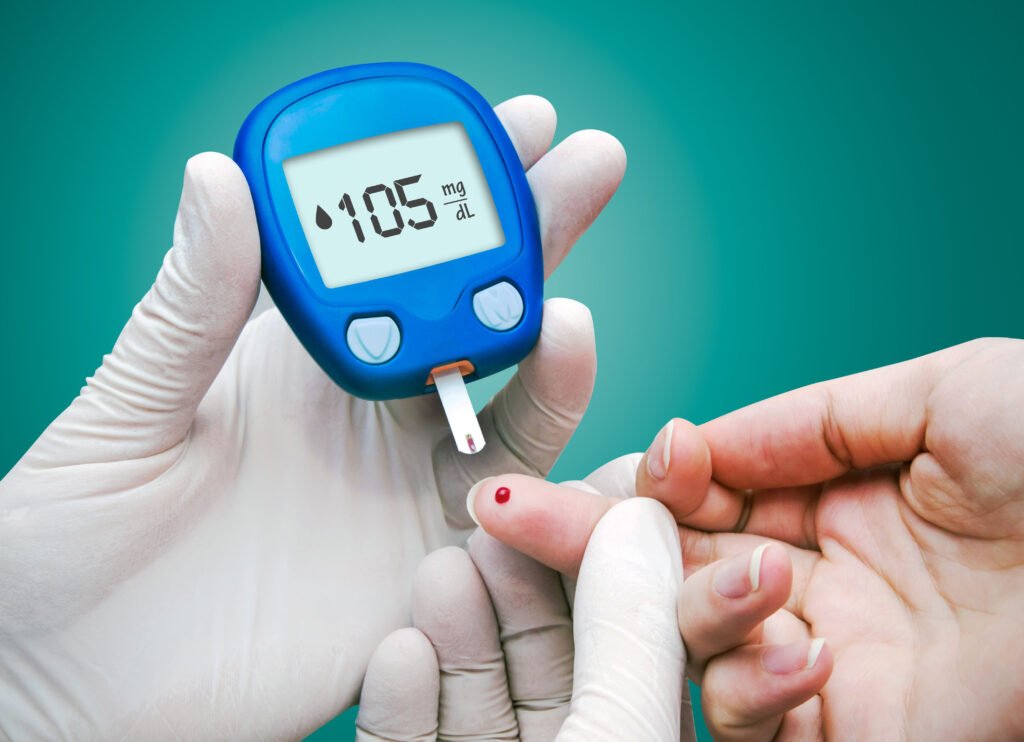
Diabetes is diagnosed using blood tests. A home blood glucose meter can help monitor glucose but should not be used by itself to diagnose diabetes.
For nonpregnant individuals, commonly used diagnostic criteria include:
| Test | Diabetes Range |
|---|---|
| A1C | 6.5% or higher |
| Fasting plasma glucose | 126 mg/dL (7.0 mmol/L) or higher |
| 2-hour oral glucose tolerance test | 200 mg/dL (11.1 mmol/L) or higher |
| Random plasma glucose | 200 mg/dL (11.1 mmol/L) or higher when classic symptoms or hyperglycemic crisis are present |
The A1C test reflects average blood glucose over approximately the previous three months.
The fasting plasma glucose test measures blood glucose after at least eight hours without caloric intake.
The oral glucose tolerance test measures how the body handles a standardized glucose load.
According to the 2026 ADA Standards of Care, when there is no unequivocal hyperglycemia or hyperglycemic crisis, diagnosis generally requires confirmation with repeat or additional abnormal testing.
Pregnancy requires specialized diagnostic approaches, so pregnant people should follow the testing protocol recommended by their healthcare professional.
What Is Prediabetes?
Prediabetes is not diabetes. It means blood glucose is above the normal range but below the diagnostic threshold for diabetes.
For nonpregnant individuals, the ADA defines prediabetes using any of the following:
- A1C: 5.7%–6.4%
- Fasting plasma glucose: 100–125 mg/dL
- 2-hour glucose during a 75-g oral glucose tolerance test: 140–199 mg/dL
Prediabetes matters because it increases the risk of developing type 2 diabetes.
The good news is that identifying prediabetes provides an opportunity to take action before diabetes develops.
Diabetes Treatment and Management
There is no single diabetes treatment plan that works for everyone.
Management depends on the type of diabetes, blood glucose levels, other medical conditions, medications, age, pregnancy status, and individual circumstances.
Healthy Eating
A balanced eating pattern can support blood glucose management.
Rather than focusing on a single “diabetes food,” aim for an overall dietary pattern that includes:
- Vegetables
- Fruits
- Whole grains
- Lean protein sources
- Legumes
- Healthy fats
- Minimally processed foods
Limiting excessive added sugars and highly processed foods can also be helpful.
People with diabetes do not necessarily need to eliminate all carbohydrates. The amount and type of carbohydrate, overall diet quality, and individual treatment plan all matter.
Physical Activity
Regular physical activity can improve insulin sensitivity, cardiovascular fitness, and overall health.
Adults should discuss an appropriate activity plan with their healthcare professional, particularly if they have complications, cardiovascular disease, or other conditions that may affect exercise safety.
Medication
Depending on the type of diabetes, treatment may include:
- Oral medications
- Injectable non-insulin medications
- Insulin
People with type 1 diabetes require insulin. People with type 2 or gestational diabetes may need insulin depending on their individual circumstances.
Monitoring
Diabetes management may involve checking blood glucose using a meter or, when appropriate, a continuous glucose monitoring system.
The appropriate monitoring method depends on the individual’s treatment plan.
Can Diabetes Be Prevented?
The answer depends on the type.
Type 1 Diabetes
There is currently no established general lifestyle strategy that prevents type 1 diabetes. Researchers continue to study ways of identifying and preventing or delaying autoimmune beta-cell destruction.
Type 2 Diabetes
Type 2 diabetes can often be prevented or delayed in people at increased risk.
Helpful strategies include:
- Being physically active
- Managing weight when appropriate
- Following a balanced eating pattern
- Addressing prediabetes
- Attending recommended health screenings
- Following medical advice for blood pressure and cholesterol
The ADA recommends risk assessment and appropriate testing for people at increased risk because identifying prediabetes or early diabetes creates an opportunity for intervention.
Gestational Diabetes
Not every case of gestational diabetes can be prevented. Risk is influenced by factors that cannot always be changed.
However, maintaining a healthy lifestyle before and during pregnancy, when medically appropriate, may support overall metabolic health.
Pregnant people should follow their prenatal care team’s recommendations rather than attempting restrictive diets or weight-loss programs without medical guidance.
Living Well With Diabetes
A diabetes diagnosis can feel overwhelming, but diabetes management is a long-term process rather than a single decision.
Good diabetes care may include:
- Taking medications as prescribed
- Monitoring blood glucose when recommended
- Eating a balanced diet
- Staying physically active
- Getting adequate sleep
- Avoiding tobacco
- Managing blood pressure
- Managing cholesterol
- Attending regular medical appointments
- Following recommended eye, kidney, foot, and cardiovascular care
Diabetes management is about more than a glucose number. Blood pressure, cholesterol, smoking status, kidney health, eye health, weight, mental well-being, and other factors all contribute to long-term outcomes.
When Should You See a Doctor?
Speak with a healthcare professional if you have symptoms of diabetes, especially:
- Excessive thirst
- Frequent urination
- Unexplained weight loss
- Persistent fatigue
- Blurred vision
- Recurrent infections
- Slow-healing wounds
Testing may also be appropriate if you have risk factors for type 2 diabetes even when you feel completely well.
Seek urgent medical attention if symptoms suggest a serious hyperglycemic emergency, such as severe vomiting, abdominal pain, dehydration, confusion, or difficulty breathing—particularly in someone known to have diabetes.
Final Thoughts
Diabetes is a complex group of conditions, not a single disease with one cause or one treatment.
Type 1 diabetes develops when the immune system destroys insulin-producing pancreatic cells. Type 2 diabetes generally involves insulin resistance and progressive impairment of insulin production. Gestational diabetes develops during pregnancy when insulin demands increase, while other specific forms can result from genetic conditions, pancreatic disease, medications, or other causes.
The symptoms of diabetes can be easy to overlook, particularly in type 2 diabetes. That makes appropriate screening and early diagnosis especially important for people with risk factors.
The encouraging part is that diabetes can be managed. For people with type 2 diabetes or prediabetes, lifestyle changes can sometimes substantially reduce risk or improve glucose control. For people who require medication or insulin, treatment can help manage blood glucose and reduce the risk of complications.
The most important step is to understand what type of diabetes you have and work with a qualified healthcare professional to create an individualized care plan.
Medical Disclaimer
This article is intended for general health education and does not replace professional medical advice, diagnosis, or treatment. Diabetes diagnosis and treatment should be individualized by a qualified healthcare professional. If you have symptoms of diabetes, abnormal blood glucose results, are pregnant, or are concerned about your risk, speak with an appropriate healthcare professional.
Sources
- American Diabetes Association. Standards of Care in Diabetes—2026: Diagnosis and Classification of Diabetes.
- National Institute of Diabetes and Digestive and Kidney Diseases (NIDDK). Diabetes Overview.
- NIDDK. Symptoms & Causes of Diabetes.
- NIDDK. Diabetes Tests & Diagnosis.
- NIDDK. What Is Diabetes?
- American Diabetes Association. Standards of Care in Diabetes—2026: Prevention or Delay of Diabetes and Associated Comorbidities.
Pingback: Causes of Diabetes: A Detailed Guide - HealthNerd
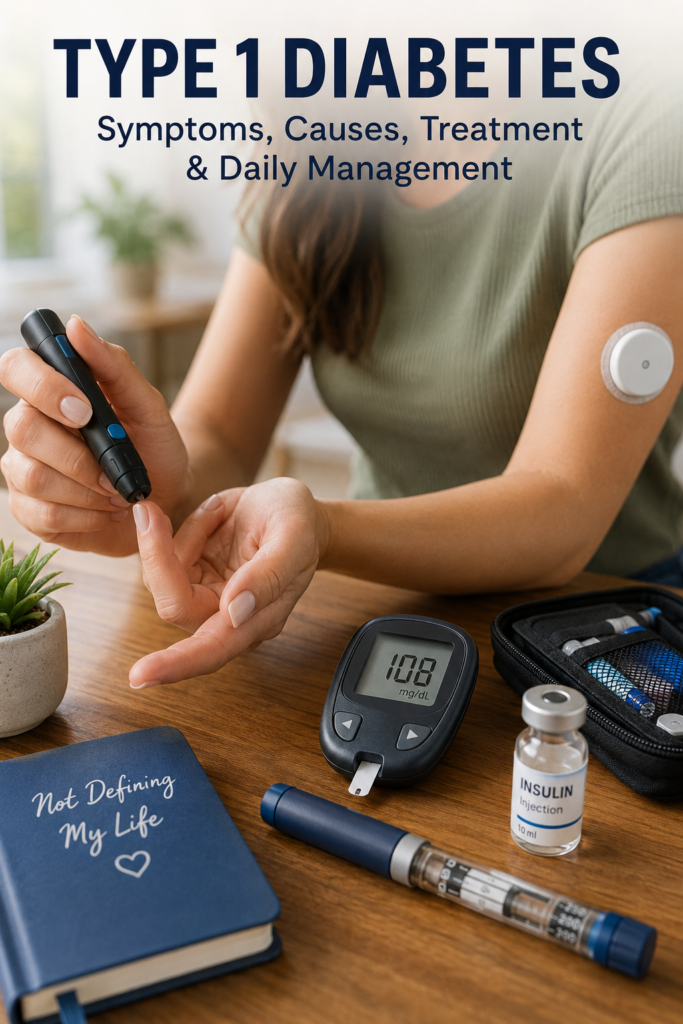
Pingback: Type 1 Diabetes: A Complete Guide to Symptoms, Causes, Treatment & Management