If you’ve ever looked at a food label and wondered, “How can I get more protein into my diet?”, you’re not alone. Protein has become one of those nutrition topics that seems to be everywhere. Fitness influencers talk about it.
Food companies put “high-protein foods” on everything from yogurt to cereal bars. And social media can make it sound as if you need enormous amounts of protein to be healthy. The reality is much simpler.
Protein is an essential nutrient, but you don’t need to build your entire diet around it.
Your body uses protein to build and repair tissues and to make important substances such as enzymes and hormones. Protein is found in both animal and plant foods, so there are plenty of ways to get it whether you eat meat, follow a vegetarian diet, or simply want more variety in your meals.
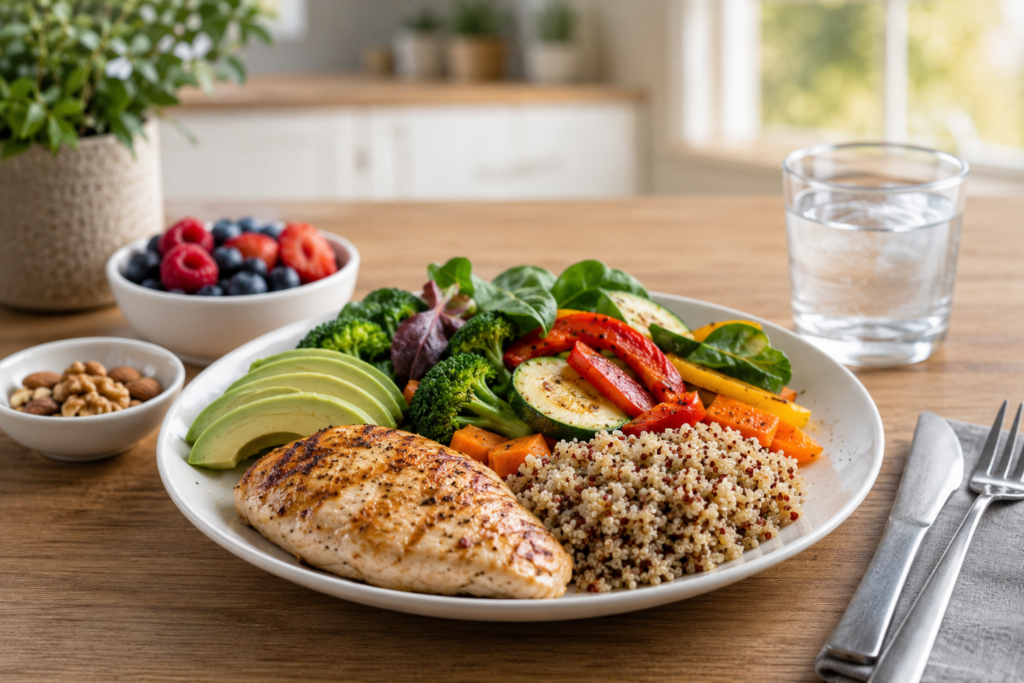
The best approach is usually to include a good source of protein as part of balanced diet, alongside vegetables or fruit, high-fiber carbohydrates and healthy fats. And you don’t have to eat the same chicken-and-rice meal every day to do it.
A person in South Asia might get protein from dal, chickpeas, eggs, yogurt and fish, while someone in Europe might have Greek yogurt, eggs, salmon, cottage cheese and lentils. Both can fit comfortably into a healthy eating pattern.
If you’re working on improving your overall diet, start with our guide to [What Is Healthy Eating?] before making major changes to your meals.
Let’s look at some of the best options.
Key Takeaways
- Protein helps your body build and repair tissues and is involved in many essential body functions.
- You can get protein from meat, fish, eggs, dairy, beans, lentils, chickpeas, soy, nuts and seeds.
- You don’t need to eat meat to get protein.
- Plant-based protein foods often provide useful nutrients such as fiber, vitamins and minerals alongside protein.
- Choosing a mixture of animal and plant protein sources can add variety to your diet.
- A high-protein food isn’t automatically a healthy food; the overall nutritional quality matters too.
- Protein works best as part of a balanced meal rather than replacing vegetables, fruits or whole grains.
- Your protein needs depend on factors such as age, body size, activity level and health status.
What Is Protein and Why Does Your Body Need It?
Protein is one of the three macronutrients, alongside carbohydrates and fat.
When you eat protein, your digestive system breaks it down into amino acids. Your body uses these amino acids to make and maintain proteins involved in muscles, tissues, enzymes, hormones and other important functions.
Think of protein as one of the body’s basic building materials. That’s particularly important during periods when your body is growing, repairing itself or adapting to physical activity.
Protein is also found throughout the body. It isn’t just a “muscle nutrient.” You need it for much more than building bigger muscles.
How much protein do you need?
This is where things can get confusing online. You may see people recommending extremely high protein intakes, particularly in bodybuilding and fitness communities. Those recommendations aren’t automatically appropriate for everyone.
WHO notes that protein providing around 10–15% of total daily energy intake is generally sufficient for many adults, although needs can be higher during adolescence and for people who are actively building or maintaining significant amounts of muscle.
Your individual needs can vary considerably. If you have kidney disease or another medical condition that affects protein requirements, don’t increase your protein intake substantially without discussing it with a healthcare professional.
25 High-Protein Foods to Add to Your Diet
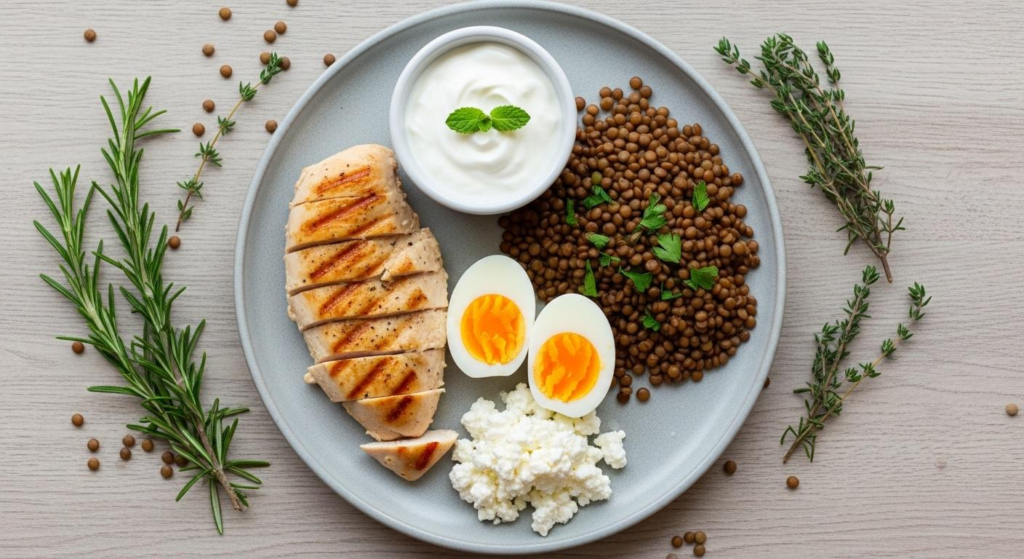
There isn’t one “best” protein food. The foods below give you a mixture of animal and plant sources so you can choose according to your taste, budget, culture and dietary preferences.
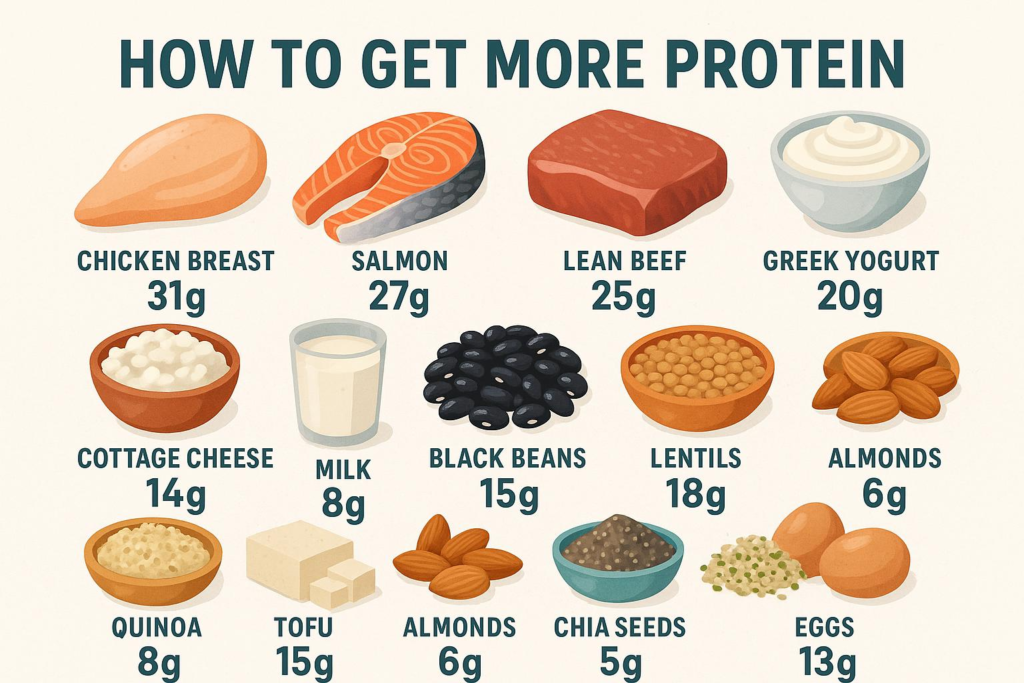
Protein amounts are approximate and can vary depending on the food, preparation method and serving size.
1. Eggs
Eggs are one of the easiest protein foods to add to your diet. They’re also versatile enough to work at almost any meal. You can boil them, scramble them, poach them or add them to other dishes.
Approximate protein: 6–7 g per large egg
Asian-style idea
Try boiled or scrambled eggs with whole-wheat roti, tomatoes, cucumber and other vegetables.
European-style idea
Have eggs on whole-grain toast with spinach, mushrooms or tomatoes. Eggs also provide nutrients such as vitamin B12, selenium and choline.
2. Chicken Breast
Chicken breast is popular for a reason: it’s relatively lean, versatile and protein-rich. Approximate protein: 30 g per 100 g cooked. You don’t have to eat plain grilled chicken, either.
Asian-style idea
Use chicken in a vegetable curry and serve it with a moderate portion of rice or roti.
European-style idea
Try roasted chicken with potatoes, green vegetables and a side salad. Choose cooking methods that don’t require large amounts of added fat.
3. Salmon
Salmon provides protein along with omega-3 fats. Approximate protein: 20–25 g per 100 g cooked
Asian-style idea
Serve grilled salmon with rice, steamed vegetables and a light soy-ginger dressing.
European-style idea
Pair baked salmon with potatoes, broccoli and a mixed salad. Salmon isn’t the only fish worth eating, though. Sardines, mackerel, trout and other fish can also contribute protein and valuable nutrients.
The NHS recommends at least two portions of fish per week, including one portion of oily fish, for its general adult population guidance.
4. Greek Yogurt
Greek yogurt is an easy way to add protein to breakfast or a snack. Approximate protein: 8–10 g per 100 g, depending on the product Look at the label because protein content varies considerably between brands.
Asian-style idea
Mix plain yogurt with fruit, oats and a few nuts. You can also use thick yogurt as a side with a lentil or chickpea meal.
European-style idea
Combine Greek yogurt with berries, oats and seeds for breakfast. Choose plain or lower-sugar versions when possible.
5. Cottage Cheese
Cottage cheese is particularly popular in European diets and can be an easy high-protein option. Approximate protein: 11–13 g per 100 g
European-style idea
Have cottage cheese with whole-grain toast, tomatoes and cucumber.
Asian-style idea
Use cottage cheese as a filling alongside vegetables or incorporate it into a homemade savory dish. It’s also useful as a quick snack with fruit.
6. Lentils
If you’re looking for an affordable plant-based protein source, lentils deserve a regular place in the conversation. Approximate protein: 8–9 g per 100 g cooked
Lentils also provide fiber and several vitamins and minerals.
Asian-style idea
Make dal with lentils, vegetables and spices, then serve it with brown rice or whole-wheat roti.
European-style idea
Use lentils in a soup or warm grain bowl with roasted vegetables. Pulses such as lentils and beans are recognized as useful sources of both protein and fiber.
7. Chickpeas
Chickpeas are another excellent plant-based option. Approximate protein: 8–9 g per 100 g cooked. They’re also incredibly versatile.
Asian-style idea
Use chickpeas in chana masala, chickpea curry or a simple chickpea salad.
European-style idea
Try hummus with whole-grain bread and vegetables or add chickpeas to a Mediterranean-style salad. You can even roast chickpeas for a crunchy snack.
8. Black Beans
Black beans provide both protein and fiber. Approximate protein: 8–9 g per 100 g cooked. They’re especially useful if you want to increase your intake of plant foods.
Try them in:
- Bean salads
- Soups
- Grain bowls
- Wraps
- Curries
- Rice dishes
The combination of protein and fiber can make meals more satisfying.
9. Kidney Beans
Kidney beans are familiar to many Asian households and are also common in European and Mediterranean-style plant-based cooking.
Approximate protein: 8–9 g per 100 g cooked
Asian-style idea
Make rajma with tomatoes, onions and spices and serve it with rice and vegetables.
European-style idea
Add kidney beans to a vegetable stew, soup or grain bowl. Beans don’t have to replace meat completely to be useful. You can simply eat them more often.
10. Tofu
Tofu is made from soybeans and is one of the most versatile plant-based protein foods. Approximate protein: 8–15 g per 100 g, depending on the type
Asian-style idea
Stir-fry tofu with vegetables and serve it with brown rice.
European-style idea
Bake or pan-sear tofu and serve it with roasted vegetables, potatoes or a grain salad. Tofu is also useful for people following vegetarian or vegan diets.
11. Tempeh
Tempeh is another soy-based food, but unlike tofu, it is made from fermented soybeans and has a firmer texture. Approximate protein: 18–20 g per 100 g. It works particularly well when you want a plant-based food with a more substantial texture.
Try it:
- Stir-fried with vegetables
- In sandwiches
- In grain bowls
- With rice
- Alongside roasted vegetables
12. Milk
Milk provides protein as well as calcium and other nutrients. Approximate protein: 3–3.5 g per 100 ml
Asian-style idea
Use milk in oatmeal, tea or smoothies.
European-style idea
Add milk to breakfast cereal, oats or coffee, or drink it alongside a balanced meal. If you don’t consume dairy, fortified soy drinks can be a useful alternative. When choosing plant-based alternatives, look for products fortified with nutrients such as calcium and vitamin D and check the label for added sugar.
13. Cheese
Cheese can provide a useful amount of protein, although its nutritional profile varies considerably between types. Approximate protein: 20–25 g per 100 g for many hard cheeses
The catch?
Cheese can also be relatively high in saturated fat and salt. So think of it as one part of your diet, rather than something to eat in unlimited amounts.
Asian-style idea
Cheese can be used with vegetables, lentils or other foods to create a protein-containing meal.
European-style idea
Use a modest portion of cheese with whole-grain bread, vegetables and fruit.
14. Paneer
Paneer is particularly useful for people who enjoy South Asian foods and want a vegetarian protein option. Approximate protein: 18–20 g per 100 g, depending on preparation
Asian-style idea
Try paneer with spinach and vegetables, or use grilled paneer in a vegetable-based meal.
European-style idea
Use paneer cubes in a salad or alongside roasted vegetables and whole grains. Because paneer can contain substantial amounts of fat, portion size still matters.
15. Tuna
Canned tuna can be a convenient source of protein when you don’t have time to cook. Approximate protein: 23–26 g per 100 g
European-style idea
Mix tuna with beans, vegetables and a small amount of olive oil for a quick salad.
Asian-style idea
Use tuna in a rice bowl with cucumber, carrots and other vegetables. If you’re choosing canned tuna or other canned fish, check the sodium content, particularly if you eat it regularly.
16. Sardines
Sardines are small but nutritionally impressive fish. Approximate protein: 20–25 g per 100 g. They provide protein and are also a source of omega-3 fats.
Try sardines with:
- Whole-grain toast
- Rice
- Salad
- Vegetables
- Potatoes
- Whole-wheat roti
They’re particularly useful when you want an affordable fish option.
17. Turkey
Turkey is a lean protein source that is particularly familiar in European and North American diets. Approximate protein: 25–30 g per 100 g cooked
Try roasted turkey with vegetables and potatoes, or use fresh turkey in a whole-grain sandwich. One important distinction: fresh turkey isn’t the same as processed turkey products.
Some deli meats can contain considerable amounts of sodium and other additives, so check the label and don’t rely on processed meat as your main protein source.
18. Lean Beef
Beef provides protein as well as nutrients such as iron, zinc and vitamin B12. Approximate protein: 25–27 g per 100 g cooked
Asian-style idea
Use a modest portion of lean beef in a vegetable stir-fry or curry.
European-style idea
Have lean beef with potatoes and vegetables or in a bean-and-vegetable stew.
You don’t need to avoid red meat completely to eat healthily, but many dietary guidelines recommend limiting excessive consumption, particularly processed meat.
19. Oats
Oats aren’t usually thought of as a major protein food, but they contribute useful protein alongside carbohydrates and fiber. Approximate protein: 12–14 g per 100 g dry oats
Their biggest advantage is how easy they are to combine with other protein sources.
Asian-style breakfast
Oats cooked with milk, topped with nuts, seeds and fruit.
European-style breakfast
Overnight oats with Greek yogurt, berries and seeds.
That combination can turn a basic bowl of oats into a much more substantial breakfast.
20. Peanuts
Peanuts are technically legumes, although we commonly eat them like nuts. Approximate protein: 25–26 g per 100 g. They also contain healthy unsaturated fats and fiber.
Try:
- A small handful as a snack
- Peanut butter on whole-grain toast
- Peanuts added to stir-fries
- Crushed peanuts over salads
- Peanut-based sauces
Remember that peanuts are energy-dense, so a small serving can go a long way.
21. Almonds
Almonds provide protein, fiber and unsaturated fats. Approximate protein: 20–21 g per 100 g.
They’re an easy snack but can also be added to breakfast bowls, yogurt or salads.
Asian-style idea
Add a small amount of almonds to oats or yogurt with fruit.
European-style idea
Use chopped almonds over Greek yogurt, porridge or a salad. Choose unsalted varieties when possible.
22. Pumpkin Seeds
Seeds are often overlooked when people are looking for protein. Pumpkin seeds provide a useful amount of protein along with minerals and healthy fats.
Approximate protein: 25–30 g per 100 g
Sprinkle them over:
- Oatmeal
- Yogurt
- Salads
- Soups
- Grain bowls
A small serving is enough—you don’t need to eat a large handful.
23. Chia Seeds
Chia seeds don’t provide as much protein per typical serving as chicken or fish, but they can contribute protein, fiber and healthy fats.
Approximate protein: 16–17 g per 100 g
Because people usually eat chia seeds in small quantities, think of them as a protein-supporting food, not your primary protein source. Try them in overnight oats, yogurt bowls or smoothies.
24. Quinoa
Quinoa is technically a seed rather than a traditional grain, but it is commonly prepared and eaten like one. Approximate protein: 4 g per 100 g cooked
It’s useful because it provides protein while also working as a carbohydrate base.
European-style idea
Use quinoa with roasted vegetables, chickpeas and a yogurt or tahini dressing.
Asian-style idea
Use quinoa instead of some of the rice in a vegetable and tofu bowl. It doesn’t need to replace rice or other traditional staples. It’s simply another option.
25. Edamame
Edamame are young soybeans and are one of the more protein-rich plant foods.
Approximate protein: 11–12 g per 100 g cooked
They’re particularly easy to add to meals.
Try them:
- In stir-fries
- In salads
- In rice bowls
- Alongside noodles
- As a snack
They’re especially useful for people looking for more plant-based protein.
Which High-Protein Foods Are Best?
This is probably the question you’re really asking. And there isn’t one answer. The “best” protein food depends on what you’re trying to do.
If you want an affordable option
Consider:
- Lentils
- Chickpeas
- Beans
- Eggs
- Milk
- Peanuts
If you want plant-based protein
Good choices include:
- Lentils
- Chickpeas
- Beans
- Tofu
- Tempeh
- Edamame
- Nuts
- Seeds
If you want a lean animal protein
Consider:
- Chicken
- Turkey
- Fish
- Eggs
- Lower-fat dairy
If you want protein plus omega-3 fats
Oily fish such as:
- Salmon
- Sardines
- Mackerel
- Trout
can be particularly useful.
If you want protein plus fiber
Plant foods are especially valuable.
Try:
- Lentils
- Chickpeas
- Beans
- Edamame
- Nuts
- Seeds
Pulses are particularly useful because they provide protein and fiber together.
High-Protein Meal Ideas for Asian and European Diets
One of the easiest ways to increase protein is to stop thinking about individual foods and start thinking about meals.
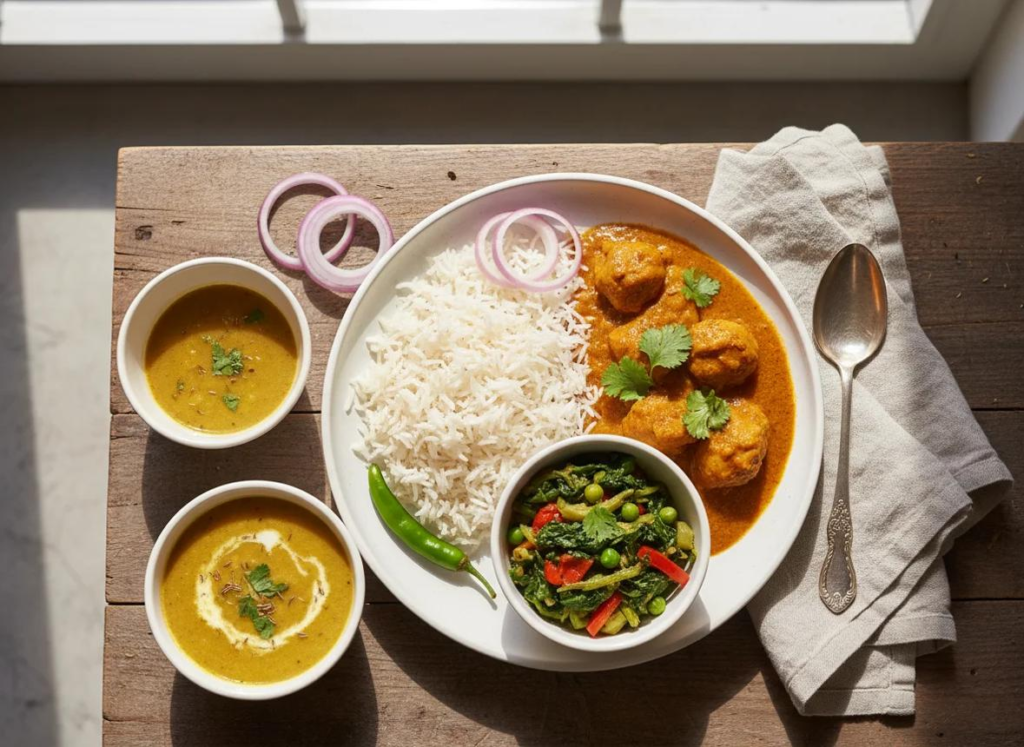
Asian-style meals
- Dal + rice + vegetables (Lentils provide protein and fiber, while rice supplies carbohydrates. Add vegetables for more variety.)
- Chicken curry + roti + vegetables (Use a sensible portion of chicken and plenty of vegetables.)
- Chickpea curry + rice + yogurt (An easy vegetarian combination.)
- Eggs + whole-wheat roti + vegetables (A simple breakfast or light meal.)
- Tofu stir-fry + rice (A practical plant-based option.)
European-style meals
- Greek yogurt + oats + berries + seeds (An easy protein-containing breakfast.)
- Eggs + whole-grain toast + vegetables (Simple and filling.)
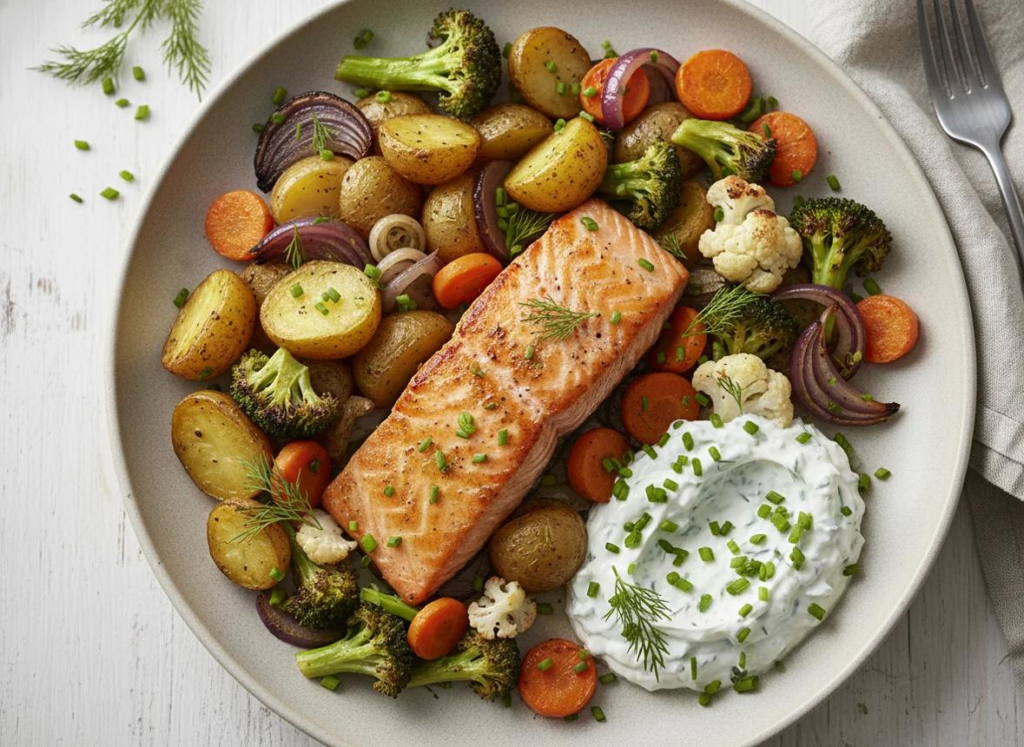
- Salmon + potatoes + broccoli (A classic combination of protein, carbohydrates and vegetables.)
- Lentil soup + whole-grain bread (A plant-based option that provides protein and fiber.)
- Chicken + roasted vegetables + potatoes (A straightforward balanced dinner.)
The ingredients may look different across cultures, but the nutritional principle is basically the same:
Protein + vegetables or fruit + a high-fiber carbohydrate + appropriate healthy fat.
Can You Get Enough Protein From Plant Foods?
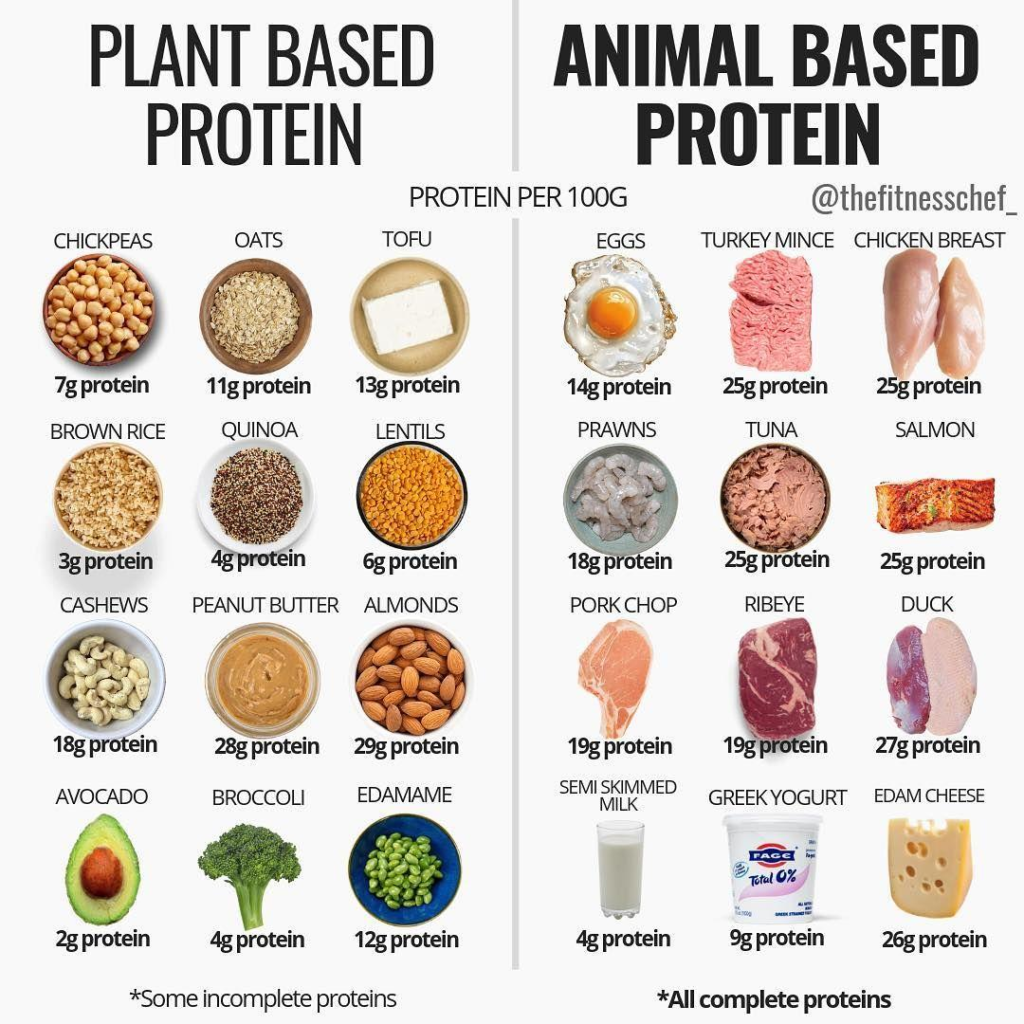
Yes. Beans, lentils, chickpeas, soy foods, nuts and seeds can all contribute protein to a vegetarian or vegan diet.
The important part is variety. Instead of relying on one plant protein every day, rotate between different foods.
For example:
- Monday: Lentils
- Tuesday: Chickpeas
- Wednesday: Tofu
- Thursday: Beans
- Friday: Edamame
- Saturday: Lentils and beans
- Sunday: Tofu or tempeh
Vegetarians and vegans should also pay attention to nutrients that may require particular planning, such as vitamin B12, iron, calcium, iodine and vitamin D depending on the foods they eat. Fortified foods and supplements may sometimes be necessary.
Do High-Protein Foods Help With Weight Management?
Protein can be useful as part of a balanced eating pattern, but it’s not a magic weight-loss nutrient. Meals containing protein can be satisfying, which may make it easier for some people to manage their overall food intake.
But adding large amounts of protein to an otherwise excessive diet doesn’t automatically lead to weight loss. A better approach is to build balanced meals.
For example:
Instead of:
Chicken + a large portion of fries
Try:
Chicken + potatoes or whole grains + plenty of vegetables + a small amount of healthy fat.
The second meal provides protein while also bringing in fiber, vitamins and minerals.
Do You Need Protein Supplements?
Not necessarily. Protein powders can be convenient, particularly for athletes or people who struggle to meet their protein needs through normal food.
But they aren’t required for most people. Milk, yogurt, eggs, fish, chicken, beans, lentils, tofu, nuts and seeds can all contribute protein naturally.
Think of protein powder as a convenience product, not a requirement for healthy eating. And remember: more isn’t always better.
WHO notes that excessive protein intake can place a metabolic burden on the body, particularly the kidneys. If you have kidney disease or another condition that affects protein metabolism, follow individualized advice from your healthcare professional.
How to Add More Protein Without Completely Changing Your Diet
You don’t need to start eating enormous portions of meat. Try small changes.
At breakfast
Add:
- An egg
- Greek yogurt
- Milk
- Cottage cheese
- Nuts or seeds
At lunch
Add:
- Lentils
- Chickpeas
- Beans
- Chicken
- Fish
- Tofu
At dinner
Make sure there’s a clear protein source alongside your vegetables and carbohydrate.
For snacks
Try:
- Yogurt
- Boiled eggs
- Roasted chickpeas
- Nuts
- Seeds
- Cottage cheese
- Edamame
Even small changes can make a difference to the overall protein content of your diet.
Common Mistakes When Eating More Protein
Eating protein and forgetting vegetables
A high-protein diet isn’t automatically a healthy diet. Your body needs more than protein.
Relying heavily on processed meats
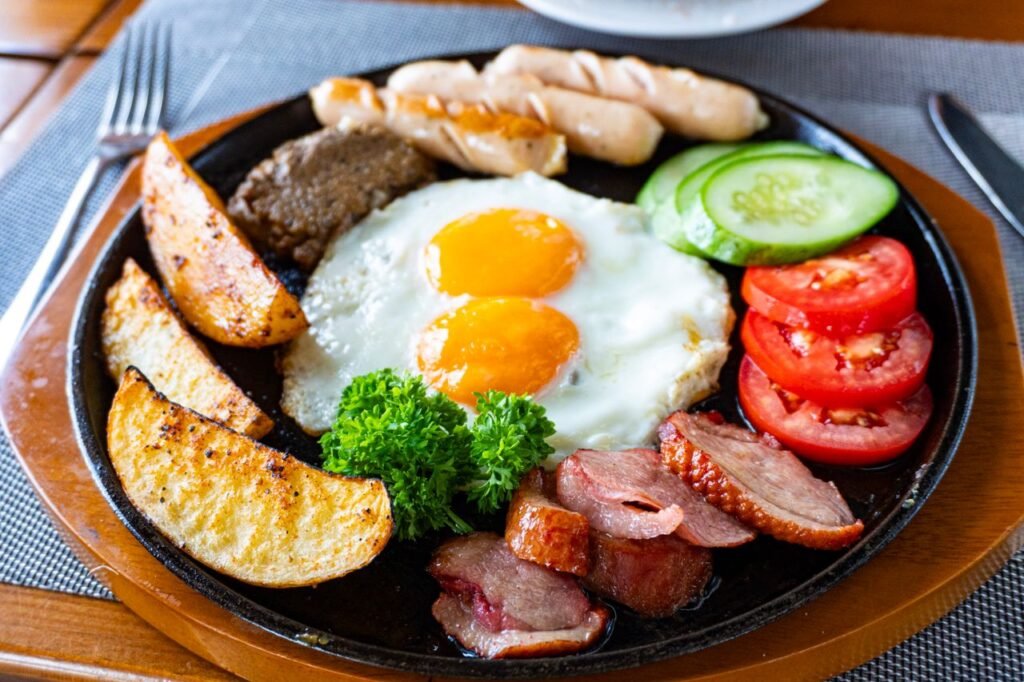
Bacon, sausages, ham and similar products may contain protein, but they can also be high in salt and saturated fat. Eating too much processed meat is associated with health risks.
Assuming plant protein doesn’t count
It absolutely counts. Beans, lentils, chickpeas, soy foods, nuts and seeds can all contribute meaningfully to your protein intake.
Eating huge portions
You don’t need a mountain of chicken or a giant protein shake at every meal. More protein isn’t automatically better.
Buying every product labeled “high protein”
A protein bar or cereal can contain extra protein and still be high in sugar, saturated fat or calories. Look at the whole nutrition label, not just the protein number.
How to Choose Healthy High-Protein Foods
When comparing protein foods, ask yourself a few simple questions:
Does it provide other useful nutrients? Foods such as beans, lentils, fish, eggs, yogurt and nuts provide more than protein.
Is it heavily processed? Fresh or minimally processed foods are often better everyday choices.
How much salt does it contain? Some processed meats and packaged protein products can be surprisingly high in sodium.
How much saturated fat does it contain? This matters particularly with fatty meats and some full-fat dairy products.
Does it fit my normal diet? The best food is often the one you actually enjoy and can afford to eat regularly.
The Bottom Line
You don’t need a complicated diet to eat more protein. Start with ordinary foods.
Eggs. Lentils. Chicken. Fish. Yogurt. Beans. Chickpeas. Tofu. Milk. Nuts. Seeds. These foods can fit into almost any style of eating. And you don’t have to choose between Asian and European foods.
Dal with rice can be a protein-containing meal. So can salmon with potatoes. Chickpeas with roti can work. So can lentil soup with whole-grain bread. Greek yogurt with oats works. So does yogurt with fruit and nuts.
The important thing isn’t whether a meal comes from one particular food culture. It’s whether your overall diet gives you a good variety of nutrients and fits your individual needs.
WHO and other public-health guidance support getting protein from a mixture of plant and animal sources while building an overall varied diet based on nutritious foods.
So rather than asking, “What’s the single best high-protein food?”, a better question is:
“What are several nutritious protein foods I enjoy and can realistically include in my normal meals?”
That’s a much more sustainable way to eat.
Frequently Asked Questions About High-Protein Foods
What foods are highest in protein?
Some foods particularly rich in protein include chicken, turkey, fish, lean meats, eggs, Greek yogurt, cottage cheese, tofu, tempeh, lentils, beans, nuts and seeds. The exact amount depends on the serving size and preparation.
What are the best high-protein foods for a healthy diet?
There isn’t one best option. Good choices include fish, eggs, poultry, dairy or suitable alternatives, beans, lentils, chickpeas, tofu, nuts and seeds. Choosing a variety gives you different nutrients alongside protein.
What are some high-protein foods for vegetarians?
Vegetarians can get protein from eggs, Greek yogurt, cottage cheese, milk, lentils, beans, chickpeas, tofu, tempeh, edamame, nuts and seeds.
What are the best plant-based protein foods?
Lentils, beans, chickpeas, tofu, tempeh and edamame are particularly useful plant-based protein foods. Nuts and seeds also contribute protein while providing healthy fats and other nutrients.
Are eggs a good source of protein?
Yes. A large egg provides roughly 6–7 grams of protein along with several vitamins and minerals.
Is chicken high in protein?
Yes. Cooked chicken breast is a concentrated source of protein, providing roughly 30 grams per 100 grams, although the exact amount varies with the cut and preparation.
Is dal high in protein?
Lentils used to make dal provide plant-based protein as well as fiber, vitamins and minerals. The protein content of a serving of dal depends on the type and quantity of lentils used.
Can rice and beans provide enough protein?
Rice and beans can make a useful protein-containing meal, particularly when eaten as part of a varied diet. Beans provide considerably more protein and fiber than rice, while rice contributes carbohydrates and energy.
Can I get enough protein without eating meat?
Yes. Beans, lentils, chickpeas, soy foods, nuts, seeds, eggs and dairy can all contribute protein. People following vegetarian or vegan diets should pay attention to overall dietary variety and nutrients that may require additional planning.
Are high-protein foods good for weight loss?
Protein-rich foods can be part of a diet designed for healthy weight management, but simply eating more protein does not guarantee weight loss. Overall food intake, physical activity and the nutritional quality of the diet matter too.
Should I eat protein at every meal?
Including a protein source at meals can be a practical way to spread protein intake throughout the day, but the exact amount and timing you need depend on your individual circumstances.
Are protein shakes necessary?
No. Most people can get protein from ordinary foods. Protein shakes can be convenient for some people, particularly athletes or those with increased needs, but they aren’t essential for a healthy diet.
Can eating too much protein be harmful?
Very high protein intake isn’t automatically better. WHO notes that excessive protein can place a metabolic burden on the body, particularly the kidneys. People with kidney disease or other relevant medical conditions should follow individualized medical advice.
A Simple Way to Remember It
You don’t need to memorize all 25 foods.
Just remember these five groups:
🥚 Animal proteins: eggs, chicken, fish, turkey
🥛 Dairy: Greek yogurt, milk, cottage cheese, cheese
🌱 Legumes: lentils, chickpeas, kidney beans, black beans
🌿 Plant proteins: tofu, tempeh, edamame
🥜 Nuts & seeds: peanuts, almonds, pumpkin seeds, chia seeds
Mix and match them with vegetables, fruits and high-fiber carbohydrates, and you’re already well on your way to building more balanced meals.
Medical Disclaimer
This article is intended for general educational purposes and is not a substitute for individualized medical or nutrition advice. Protein requirements can vary considerably depending on age, activity level, pregnancy, medical conditions and other factors. People with kidney disease or other conditions that affect protein requirements should speak with a qualified healthcare professional before making major changes to their protein intake.